30 Easy Sensory Play Activities for Babies (0-12 Months)
Sensory play is one of the most powerful ways to support your baby's brain development during their first year. The best part? You don't need expensive toys. This guide covers 30 simple, safe sensory activities organized by age — all using items you probably already have at home.
What Is Sensory Play?
Sensory play is any activity that engages one or more of your baby's five senses: sight, touch, hearing, smell, and taste. It includes everything from feeling different textures and listening to crinkling sounds to watching high-contrast patterns and splashing water.
Unlike structured play with a specific goal, sensory play is open-ended. There's no right or wrong way for your baby to explore. When a baby scrunches a piece of tissue paper, mouths a wooden spoon, or watches light filter through a colander, they're building neural connections that form the foundation for all future learning.
Research in developmental neuroscience shows that babies form up to one million new neural connections every second during their first year. Sensory experiences are the primary driver of this remarkable brain growth. Each new texture, sound, or visual pattern your baby encounters literally shapes the architecture of their developing brain.
Why Sensory Play Matters for Babies
Sensory play isn't just entertainment — it's foundational work for your baby's development. Here's why pediatric experts and developmental psychologists emphasize its importance:
- Builds neural pathways: Every sensory experience strengthens connections between brain cells. Repeated exposure to different stimuli helps the brain organize and prioritize information.
- Develops motor skills: Reaching for objects, grasping textures, and manipulating materials builds both fine and gross motor skills. These are the same skills your baby needs for major milestones like rolling, sitting, and crawling.
- Supports language development: Sensory experiences give babies something to communicate about. Describing what they see, hear, and feel during play introduces vocabulary long before they can speak.
- Encourages problem-solving: When a baby figures out how to make a rattle shake or how to pull a scarf from a box, they're practicing early problem-solving and cause-and-effect reasoning.
- Regulates emotions: Certain sensory activities — like warm water play or gentle rocking — have a calming effect. Others energize and stimulate. Over time, babies learn to self-regulate through sensory input.
- Strengthens bonding: Sensory play is most effective when shared with a caregiver. The back-and-forth of exploring together builds secure attachment and trust.
The Five Senses & Baby Development
All five senses are active from birth, but each develops at its own pace. Understanding the timeline helps you choose the right activities for your baby's current stage.
As you can see, touch and hearing are the most developed senses at birth, which is why newborn sensory play focuses heavily on textures and sounds. Vision develops rapidly over the first several months, starting with an ability to see only 8-12 inches away and progressing to full color vision and depth perception by around 8 months.
Match activities to your baby's sensory development stage. Newborns respond best to high-contrast visuals, gentle touch, and familiar voices. Older babies are ready for more complex multi-sensory experiences.
Sensory Play Activities for 0-3 Months
In the first three months, your baby is adjusting to life outside the womb. Their senses of touch, hearing, and smell are the most developed, while vision is still blurry. Focus on gentle, close-range experiences that feel safe and comforting. All activities in this section are perfect to pair with tummy time.
mo
8 activities · gentle, close-range stimulation
1. High-Contrast Card Gazing
What you need: Black and white printed cards or hand-drawn patterns on cardstock.
How to do it: Hold a high-contrast card 8-12 inches from your baby's face. Move it slowly left to right to encourage visual tracking. Try simple patterns like bullseyes, stripes, or checkerboards. Switch cards every 30 seconds as interest fades.
2. Light and Shadow Play
What you need: A flashlight or phone flashlight, a dim room.
How to do it: In a dimly lit room, slowly move a soft light across the ceiling or wall while baby lies on their back. Avoid shining directly at their eyes. The gentle movement helps develop visual tracking and captures attention during those alert, awake windows.
3. Texture Stroke
What you need: A silk scarf, cotton washcloth, soft brush, or piece of velvet.
How to do it: Gently stroke different textures across your baby's arms, legs, and cheeks. Name each texture as you go: "This is soft silk," "This is bumpy terry cloth." Watch for their reactions — they may kick, smile, or become very still and focused.

4. Warm Towel Wrap
What you need: A towel warmed in the dryer for a few minutes.
How to do it: After a bath or diaper change, wrap baby in the warm towel. The temperature contrast engages the sense of touch and has a calming, soothing effect. Always test the temperature on your inner wrist first to ensure it's comfortably warm, not hot.
5. Kitchen Sound Safari
What you need: Wooden spoon, metal pot, crinkly paper, rubber spatula.
How to do it: While holding baby or with them in a bouncer nearby, gently tap different kitchen items to make varied sounds. Alternate between soft taps on wood, metallic rings, and crinkling paper. Pause between sounds and watch your baby's reactions — they may turn toward the source.
6. Narrate Your Day
What you need: Nothing but your voice.
How to do it: Simply talk to your baby throughout the day. Describe what you're doing: "Now I'm folding the laundry. This shirt is blue. Can you hear the washing machine?" Vary your tone, pitch, and rhythm. Your voice is your baby's favorite sound, and this builds early language foundations.
7. Scented Cloth Introduction
What you need: Cotton cloths lightly scented with vanilla extract, lavender, or a dab of your perfume/lotion.
How to do it: Hold a lightly scented cloth a few inches from your baby's nose for a few seconds, then switch to a different scent. Babies can distinguish their mother's scent from birth, and gentle exposure to new smells builds olfactory pathways. Keep scents mild and natural; avoid anything synthetic or strong.
8. Skin-to-Skin Singing
What you need: A comfortable spot and your voice.
How to do it: Place baby on your bare chest for skin-to-skin contact and sing softly. This combines touch (warmth of your skin), hearing (your voice and heartbeat), and smell (your natural scent). It's one of the most developmentally rich experiences for a newborn and supports bonding, regulation, and brain development simultaneously.
Sensory Play Activities for 3-6 Months
Between 3 and 6 months, your baby becomes much more interactive. They can grasp objects, bring things to their mouth, and track movement across a room. Vision improves dramatically, and they begin to reach for things intentionally. This is the perfect time to introduce more hands-on exploration.
mo
8 activities · reaching, grasping, mouthing
9. Sensory Fabric Board
What you need: Cardboard square and fabric scraps (corduroy, satin, fleece, burlap, felt).
How to do it: Glue or tape different fabric swatches onto a piece of cardboard. Hold it within your baby's reach during tummy time or while sitting in your lap. Guide their hand across each texture and describe what they feel. This builds tactile discrimination — the ability to distinguish between textures by touch alone.
10. Crinkle Scarf Pull
What you need: Tissue paper or crinkly cellophane inside a thin scarf or cloth.
How to do it: Stuff crinkly material inside a lightweight scarf and let baby grab and squeeze it. The sound reward encourages them to keep grasping and manipulating. Always supervise closely and ensure no small pieces can detach. This builds grip strength and cause-and-effect understanding.
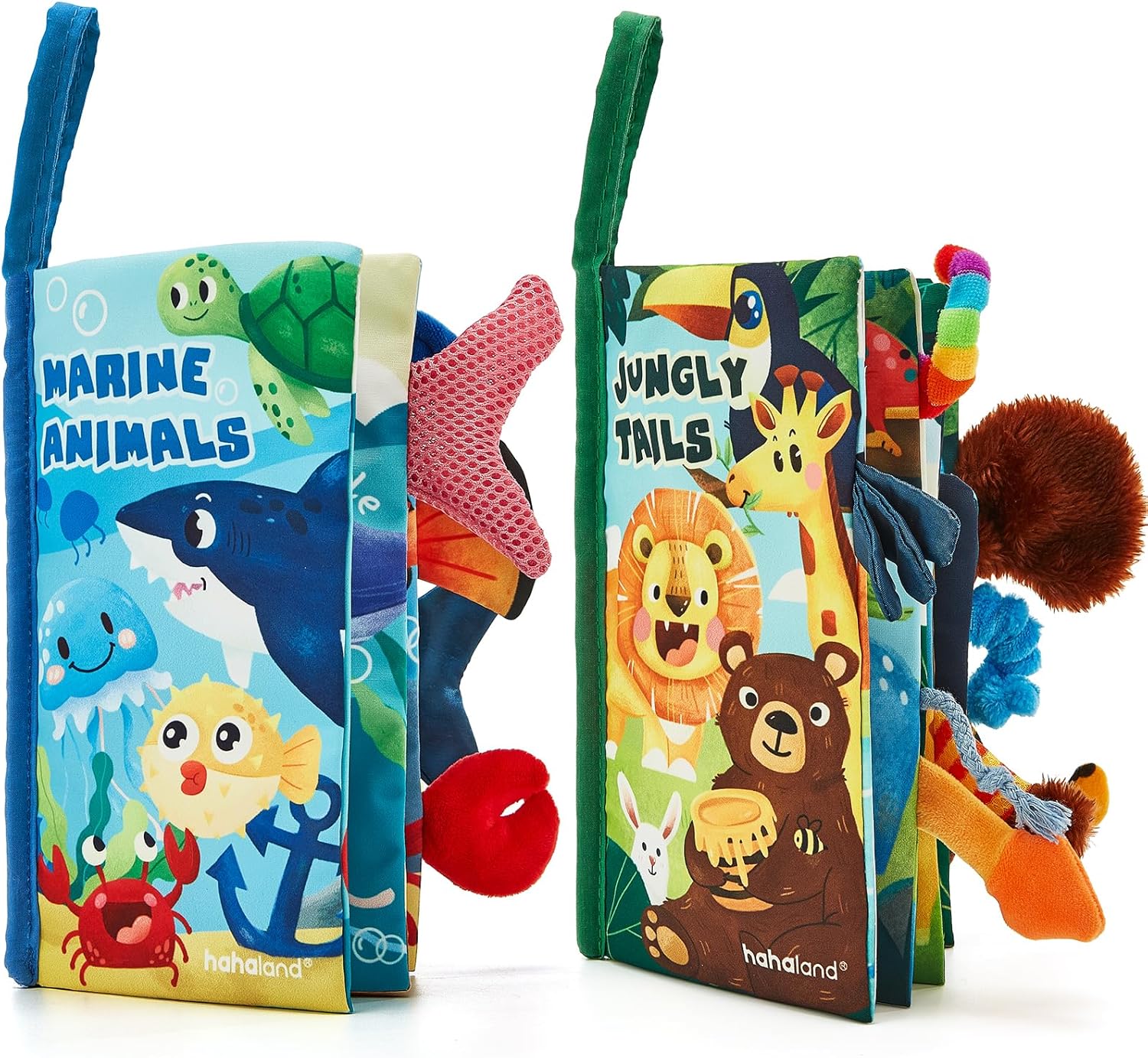
11. Color Bottle Discovery
What you need: A clear glass jar with a secure lid (like a mason jar), water, food coloring, and glitter or small beads (sealed tightly with tape).
How to do it: Fill the bottle with water, add a few drops of food coloring and some glitter. Seal the cap securely with tape. Let baby hold, roll, and shake the bottle. The swirling colors and floating objects are mesmerizing and encourage visual tracking, reaching, and hand-eye coordination.
12. Mirror Play
What you need: A baby-safe mirror (or any non-breakable mirror).
How to do it: Place a mirror in front of baby during tummy time. They will be fascinated by the "other baby" looking back. Make faces, point to body parts, and talk about what they see. This supports visual development, social awareness, and makes tummy time more engaging.
13. Shaker Bottle Rattle
What you need: Small metal tins or wooden containers with lids, rice, dried pasta, bells, or beans.
How to do it: Fill small containers with different materials to create rattles with distinct sounds. Seal lids securely with tape. Shake each one near baby and let them try to grasp and shake on their own. This teaches cause-and-effect and helps baby distinguish between different types of sounds.
14. Music and Movement
What you need: Music with a clear beat (lullabies, nursery rhymes, or gentle instrumental).
How to do it: Play music and gently sway, bounce, or dance with your baby in your arms. Tap the rhythm on their back or legs. Pause the music suddenly and watch their reaction. Babies at this age start to anticipate patterns, and the stop-start engages auditory processing and builds expectations.
15. Splashy Bath Time
What you need: Bathtub, cups, sponges, and washcloths of different textures.
How to do it: During bath time, pour water from different heights, let baby squeeze sponges, and splash with their hands. The water engages touch (temperature, wet sensation), hearing (splash sounds), and sight (water movement). Narrate the experience: "Splash! The water is warm. Can you feel it on your tummy?"
16. Outdoor Nature Sit
What you need: A blanket and the outdoors.
How to do it: Spread a blanket outside and let baby experience the natural world. Feel grass or leaves, listen to birdsong and wind, watch clouds or rustling branches, smell fresh air and flowers. The outdoors is the ultimate multi-sensory environment. Even five minutes provides a rich tapestry of stimulation that no toy can replicate.
Sensory Play Activities for 6-9 Months
From 6 to 9 months, your baby is sitting up (or learning to), starting solids, and becoming increasingly mobile. They can transfer objects between hands, bang things together, and are intensely curious about how things work. Many babies are also beginning to crawl, which opens up a whole new world of exploration. Check our developmental toys guide for complementary toy ideas.
mo
7 activities · sitting, solids, crawling
17. Ice Cube Exploration
What you need: A few ice cubes and a tray or high chair.
How to do it: Place ice cubes on baby's high chair tray. Let them touch, slide, and watch the cubes melt. The cold temperature, slippery surface, and transformation from solid to liquid is a fascinating sensory experience. Use large cubes to prevent choking risk, and always supervise closely.
18. Basket of Textures
What you need: A basket filled with safe objects of varying textures — wooden spoon, silicone spatula, smooth stone, crinkly paper, rubber ball, soft brush.
How to do it: Set the basket in front of your sitting baby and let them pull items out one at a time. Describe each object as they explore it. This "treasure basket" approach, developed by child development pioneer Elinor Goldschmied, encourages independent exploration and decision-making.
19. First Flavor Exploration
What you need: Small tastes of safe, age-appropriate foods — mashed banana, avocado, plain yogurt, soft steamed sweet potato.
How to do it: Offer tiny tastes of different flavors on a spoon or let baby self-feed soft pieces. Watch their facial expressions as they encounter sweet, savory, and slightly tart flavors. This is sensory play and mealtime combined — it builds positive food associations and expands their palate early.
20. Pot and Spoon Band
What you need: Pots, pans, wooden spoons, metal spoons, wooden bowls.
How to do it: Set out an assortment of kitchen containers and spoons. Let baby bang away and discover that different materials make different sounds. A wooden spoon on a metal pot sounds very different from a metal spoon on a wooden bowl. This is early physics and music exploration all in one.
21. Peek-a-Boo with Scarves
What you need: Colorful, lightweight scarves or fabric pieces.
How to do it: Drape a sheer scarf over your head or baby's head and play peek-a-boo. Use different colored scarves and name the colors. Let baby pull the scarf away themselves. At this age, babies are developing object permanence — the understanding that things still exist when hidden — and peek-a-boo directly supports this cognitive leap.
22. Edible Finger Paint
What you need: Plain yogurt mixed with a tiny amount of food coloring, or mashed berries.
How to do it: Spread the "paint" on a high chair tray and let baby smear, swirl, and taste. This engages touch (cold, squishy texture), sight (bright colors mixing), and taste. It's messy — embrace it. The sensory input from getting hands dirty is incredibly valuable for brain development and helps reduce tactile defensiveness.
23. Water Table Splash
What you need: A shallow container of warm water, cups, sponges, rubber toys.
How to do it: Set up a shallow water play station at baby's sitting level. Add cups for pouring, sponges for squeezing, and floating objects for grabbing. Water play develops hand strength, teaches cause-and-effect (pour water in, it comes out), and the warmth and wetness provide rich tactile input.
Sensory Play Activities for 9-12 Months
In the last quarter of the first year, your baby is likely cruising, pulling to stand, and possibly taking first steps. Their pincer grasp is developing, allowing them to pick up smaller objects with precision. They understand simple words and are becoming more purposeful in their play. This is the time for more complex, multi-step sensory activities. A good bedtime routine with calming sensory elements can also help wind down after active play days.
mo
7 activities · pincer grasp, cruising, problem-solving
24. Sensory Bin Dig
What you need: A shallow container filled with cooked pasta, oats, or rice. Add spoons, cups, and small toys.
How to do it: Let baby dig, scoop, pour, and search for hidden toys in the bin. The different textures of the fill material plus the challenge of finding hidden objects makes this an incredibly rich sensory and cognitive experience. Supervise closely and use materials that are safe if mouthed.
25. Playdough Squish (Edible Recipe)
What you need: 1 cup flour, 1/2 cup salt, 2 tbsp oil, warm water, food coloring (optional).
How to do it: Mix the ingredients to make a soft, safe dough. Let baby poke, squeeze, tear, and flatten it. Press objects into the dough to make imprints. This builds hand strength, fine motor control, and tactile processing. The edible recipe means it's safe if baby inevitably tastes it.

26. Herb and Spice Taste Test
What you need: Small amounts of safe herbs and spices — cinnamon, basil, mint, mild curry.
How to do it: Add a tiny pinch of different herbs or spices to small bites of food baby already enjoys. Offer one new flavor at a time and observe their reaction. This expands their palate, builds smell-taste connections, and introduces the idea that the same food can taste different with different seasonings.
27. Sound Matching Game
What you need: Pairs of small containers filled with matching materials (two with rice, two with bells, two with beans).
How to do it: Shake one container and let baby find the one that sounds the same. At 9-12 months, baby won't "match" perfectly yet, but they will start to notice similarities and differences in sounds. Shake them in different patterns and see if baby imitates the rhythm.
28. Tunnel Crawl Adventure
What you need: A play tunnel, or large cardboard boxes with both ends open. Scarves, bells, and textured mats to place inside.
How to do it: Set up a tunnel with different sensory surprises along the way — a crinkly mat underfoot, a dangling scarf to brush past, a bell to ring. Call to baby from the other end to encourage them to crawl through. This builds spatial awareness, motor planning, and courage alongside sensory processing.
29. Sand and Scoop Play
What you need: A container of clean play sand (or cornmeal as a safer alternative), cups, spoons, funnels.
How to do it: Let baby sit and play with sand or cornmeal, scooping, pouring, and feeling the grains run through their fingers. Bury small toys for them to discover. The fine, flowing texture is very different from water or food, giving the brain new tactile data to process. Use cornmeal for younger babies who still mouth everything.
30. Light Table Exploration
What you need: A tablet or phone with the screen set to white (or a light pad), translucent objects (cellophane sheets, colored tissue paper, clear glass jars with colored water).
How to do it: Place translucent objects on the light surface and let baby move them around, stack them, and observe how colors combine and light passes through. This introduces early concepts of transparency, color mixing, and light — and it's utterly mesmerizing for babies approaching their first birthday.
Household Items for Sensory Play
You don't need to buy a single thing to do sensory play with your baby. Your home is already full of fascinating sensory materials. Here are ten common items that make excellent sensory play tools:
Safety Guidelines for Sensory Play
Sensory play is inherently safe when you follow a few key guidelines. Keep these in mind for every activity:
- Always supervise: Never leave your baby unattended during sensory play, especially with water, small objects, or food items.
- Check for choking hazards: Any item smaller than a toilet paper tube is a potential choking risk. When using small materials (rice, beans), ensure baby is supervised and consider using them inside sealed containers.
- Test temperatures: Always test water, heated towels, or any warmed materials on your inner wrist before offering to baby.
- Use safe materials: Avoid anything toxic, sharp-edged, or with small detachable parts. When in doubt about whether something is safe to mouth, don't use it.
- Watch for allergies: When introducing new foods for taste exploration, offer one new item at a time and watch for reactions over the next 24 hours.
- Respect baby's signals: If your baby turns away, fusses, or seems overwhelmed, take a break. Overstimulation is the opposite of what we're going for.
- Seal containers securely: Sensory bottles and shaker rattles should be sealed with tape or glue so baby cannot open them.
Tips for Getting Started with Sensory Play
Starting a sensory play practice doesn't require a lot of planning. Here are some practical tips to make it part of your routine:
- Start with one activity per day. You don't need to do all 30 this week. Pick one that matches your baby's current age and mood, and try it during an alert, content window.
- Follow your baby's lead. If they're fascinated by crinkly paper, do more crinkly paper. If they ignore the mirror, try again in a few weeks. Development isn't linear.
- Expect mess. Sensory play is messy by nature. Lay down a mat or old sheet, roll up sleeves, and let go of perfection. The mess is where the learning happens.
- Narrate everything. Describe what baby is seeing, touching, and hearing. "That's cold! The ice is slippery. Can you feel how smooth it is?" This turns sensory play into language play too.
- Repeat favorites. Babies learn through repetition. Doing the same activity multiple times isn't boring for them — it's how neural pathways strengthen.
- Combine with daily routines. Bath time is water play. Mealtime is taste exploration. Getting dressed is texture time. You're already doing more sensory play than you think.
The Little Play app delivers 3 personalized, age-appropriate activities daily — including sensory play ideas tailored to your baby's exact age and developmental stage. No planning required.
As an Amazon Associate, I earn from qualifying purchases. All products are personally curated and recommended.
Free Baby Activity Guide
Get 20 science-backed activities for your baby's first year — delivered to your inbox.
No spam, ever. Unsubscribe anytime.
Get Daily Sensory Play Ideas
Little Play delivers 3 personalized, science-backed activities every day — tailored to your baby's exact age. Free on iOS.