How to Entertain a Baby on a Plane Without Screens: An Age-by-Age Kit
30-second summary
- Feed (breast, bottle, or pacifier) during climb-out and descent; swallowing equalizes ear pressure, and ear pain causes most landing meltdowns.
- Pack 5–6 small novel objects, not a toy bag. Present ONE at a time; rotate when interest fades.
- Hold two items in reserve for emergencies. Novelty is a currency; don't spend it all in row 12.
- Age changes everything: a 3-month-old mostly sleeps; a 10-month-old needs a strategy. Plans by age below.
Flying with a lap infant is a project, but it's a plannable one, and it doesn't require handing a five-month-old a phone. The core skill is rotation: babies burn through novelty fast in a confined space, so victory belongs to the parent who brings small things, presents them one at a time, and retires each the moment it stops working.
The kit: what actually earns its bag space
| Item | Why it flies |
|---|---|
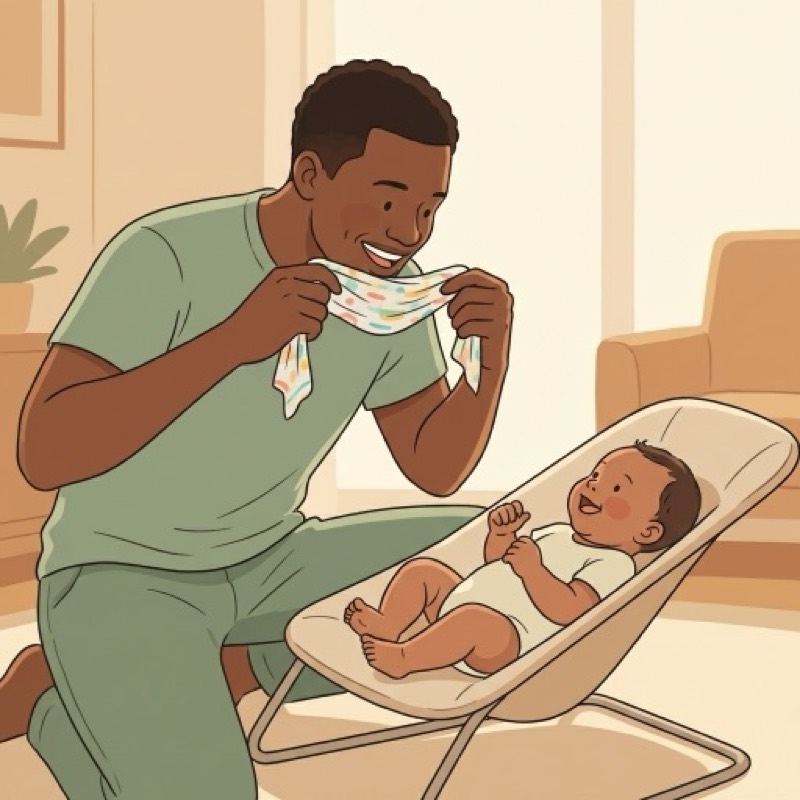
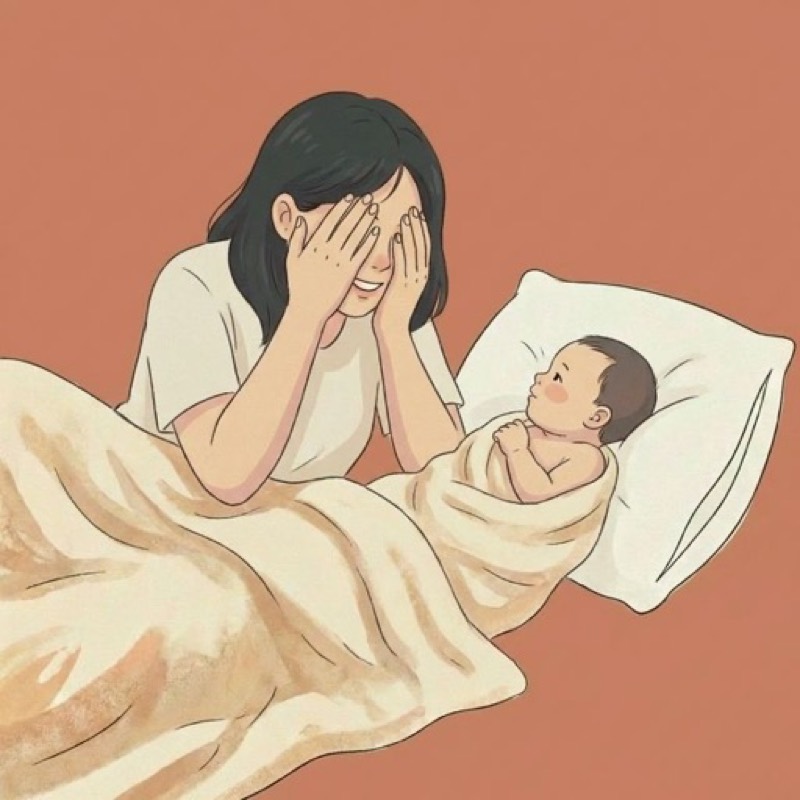
| 2 fabric items (muslin square, small scarf) | Peek-a-boo, texture, waving, emergency burp cloth |
| 1 board book (small, new-to-them) | Pages = self-serve entertainment from ~7 months |
| Suction toy or linked rings | Attaches to tray table; survives the drop game |
| Painter's tape or big stickers | Peeling = 20 golden minutes for 9+ months |
| Snacks (if eating solids) | Eating is an activity; slow snacks doubly so |
| 2 reserve items, hidden | The descent fund. Do not open early |
0–5 months: the sleeper class
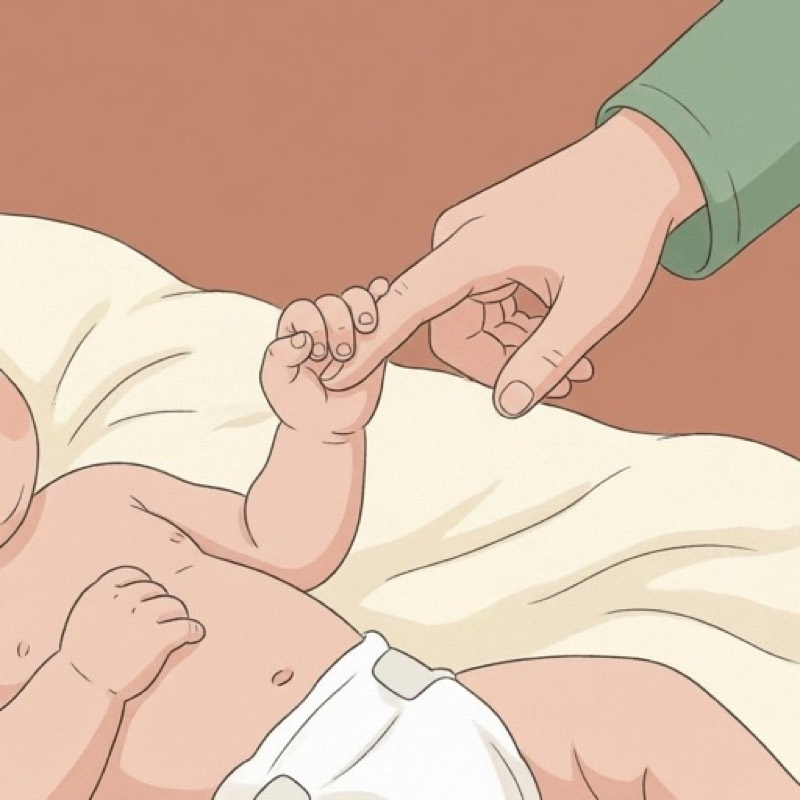
Young babies are honestly the easiest passengers: white noise, vibration, and your chest usually equal a flight-long nap. Your goals are ears and calm:


6–8 months: the grabber class
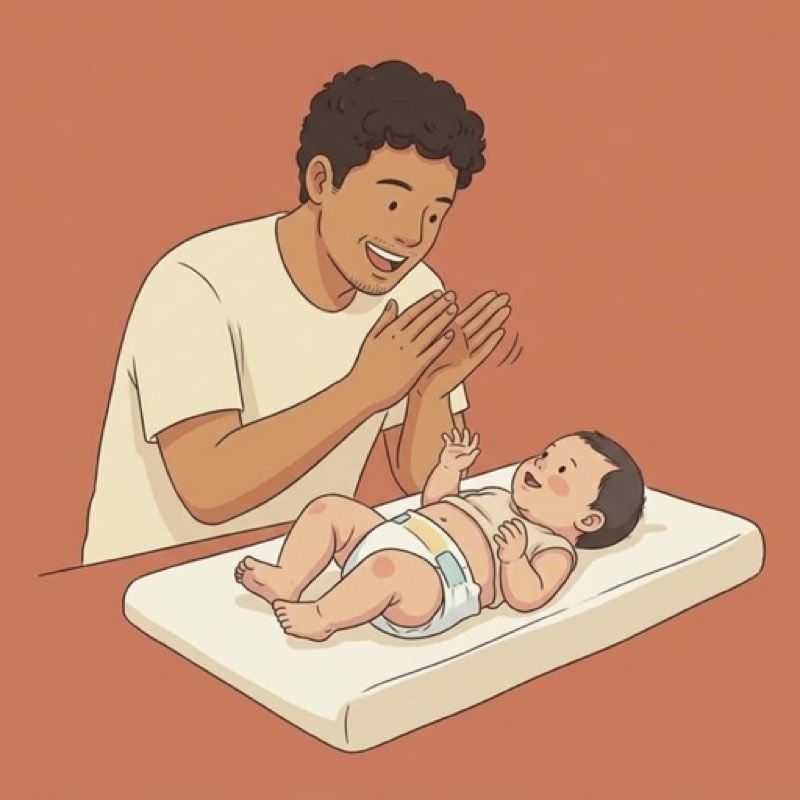
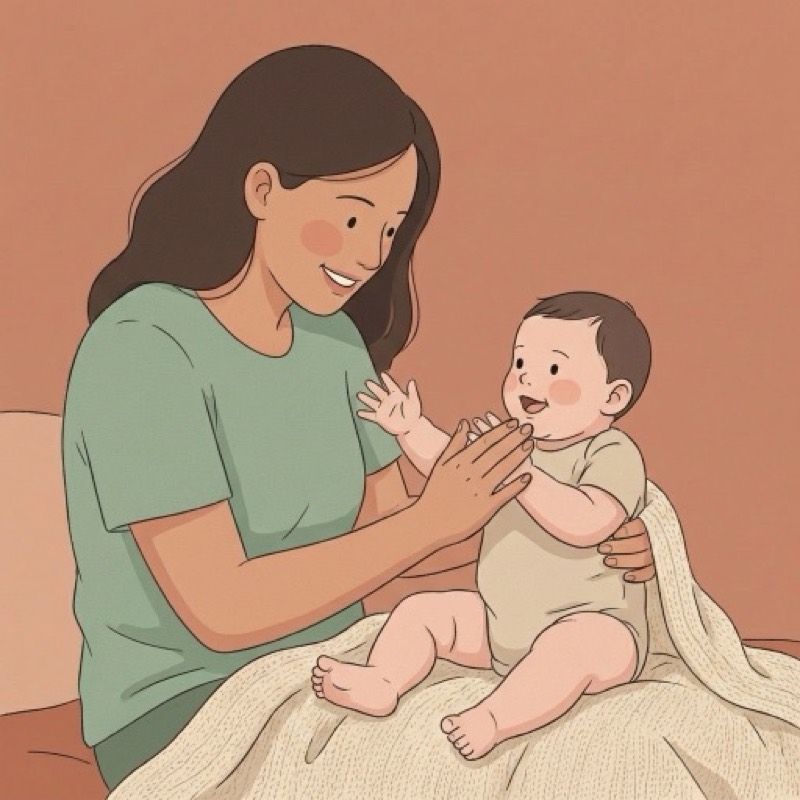
Sitting, grabbing, mouthing everything; the tray table is now both a hazard and an amenity. Rotate through:
9–12 months: the escape artist class
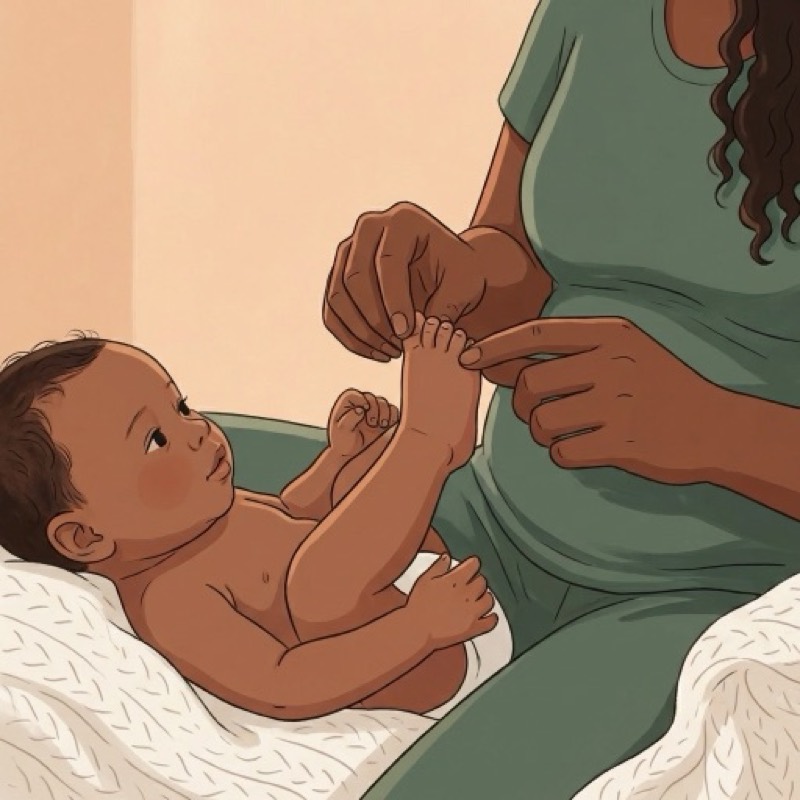
The hardest lap-infant age: mobile, opinionated, allergic to sitting. Lean on fine-motor absorption and micro-walks:


Add the aisle walk (when the seatbelt sign allows): one slow lap, narrating like a tour guide: "That's a beverage cart. Those are 40 people pretending not to smile at you."
The descent protocol
Descent is the final boss: pressure changes are strongest, everyone's tired, and it lasts 20–30 minutes. The plan: time the reserve items for the seatbelt announcement, then start a feed as the descent gets audible. Swallowing is the ear fix: bottle, breast, pacifier, or (for eaters) a slow snack all work. If a sleeping baby will wake soon anyway, most parents find waking for a descent feed worth it; landing with painful ears is the meltdown nobody recovers from.
The row-of-strangers mindset
Some flights just go sideways, with a perfectly-prepared bag and a crying baby anyway. You're not a bad parent; you're a person on public transport with an infant, which is a public service to the future. Do your rotation, feed the ears, accept the sympathetic snacks from grandmothers, and know that the flight ends.
Build your rotation from portable favorites in the activity library; everything filters by age, and none of it needs charging.
Frequently asked questions
What's the best age to fly with a baby?
There's no bad age, but 2–5 months is often easiest: pre-mobile, sleeps anywhere, soothed by feeding. Newly-crawling and cruising babies (8–11 months) are the hardest lap passengers; plan the most entertainment for that stage.
How do I help with ear pressure on takeoff and landing?
Swallowing equalizes ear pressure, so feed (breast, bottle, or pacifier) during climb-out and especially descent. Waking a sleeping baby for descent feeding is usually worth it; ear pain is the #1 cause of landing meltdowns.
How many toys should I actually pack?
Fewer than you think: five or six small novel objects beats a full bag. The rotation trick matters more than the inventory: one item at a time, swapped the moment interest fades, with a couple held in reserve for emergencies.
Never wonder what to play again
Little Play hands you three activities every morning, matched to your baby's exact week. Free on iOS, and all 281 activities are free to browse online.
Download Little PlayKeep reading
Free Baby Activity Guide
20 science-backed activities for the first year, straight to your inbox.
This article is for general information and isn't medical advice. Every baby develops on their own timeline; for concerns about your baby's development, sleep, or health, talk to your pediatrician.