The Baby Witching Hour: Why Evenings Fall Apart, and 8 Calming Activities That Help
30-second summary
- The "witching hour" is predictable late-afternoon/evening fussiness, usually 5–8pm, often lasting longer than an hour.
- It typically starts around 2–3 weeks, peaks near 6 weeks, and fades by 3–4 months.
- Main drivers: a day's worth of accumulated stimulation, evening fatigue, hunger clusters, and an immature nervous system running out of coping capacity.
- What works: less, earlier. Dim, slow, rhythmic, repetitive. What backfires: new toys and bright entertainment.
- Eight settle-tested activities below.
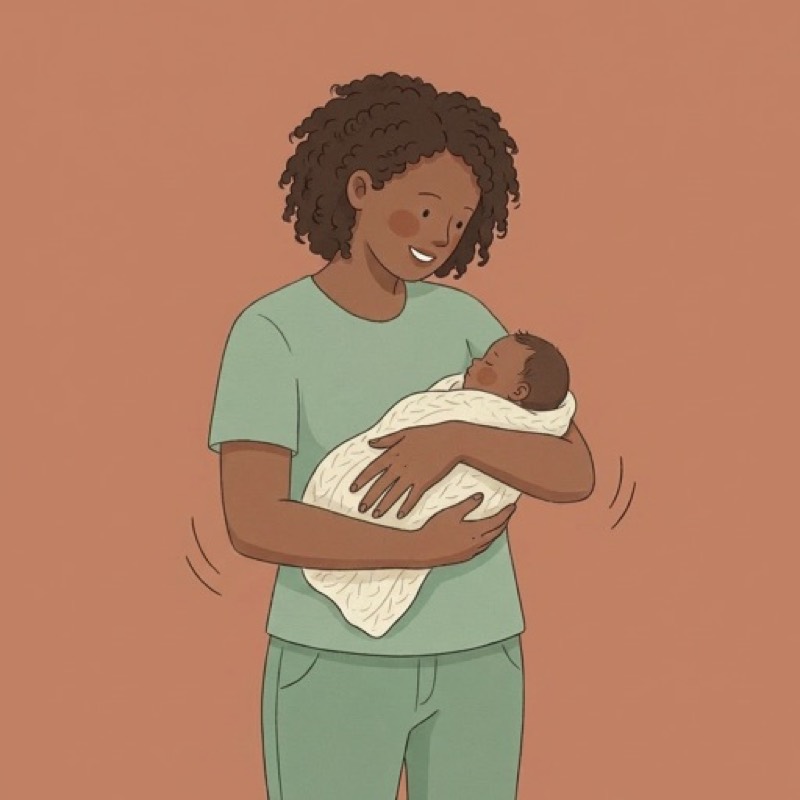
All day your baby was a delight. Then 5pm arrives and, like someone flipped a switch, nothing works. Feeding helps for minutes, toys offend, being held is wrong but being put down is wronger. If your evenings look like this, you're not doing anything wrong. You've just met the witching hour, and nearly every parent of a young baby is meeting it at the same time you are.
Why evenings fall apart
By late afternoon, your baby has been processing sights, sounds, and sensations for hours with a nervous system that's still under construction. Stimulation tolerance is a battery, and it's empty by dinner. Add natural evening dips in milk supply (for nursing parents), cluster-feeding growth spurts, and accumulated tiredness from imperfect naps, and you get a baby who is overwhelmed, hungry-ish, exhausted, and unable to do anything about it except cry.
Two reassuring numbers: it peaks around week six, and it's largely gone by 3–4 months. This is a phase with an exit.
The counterintuitive rule: subtract, don't add
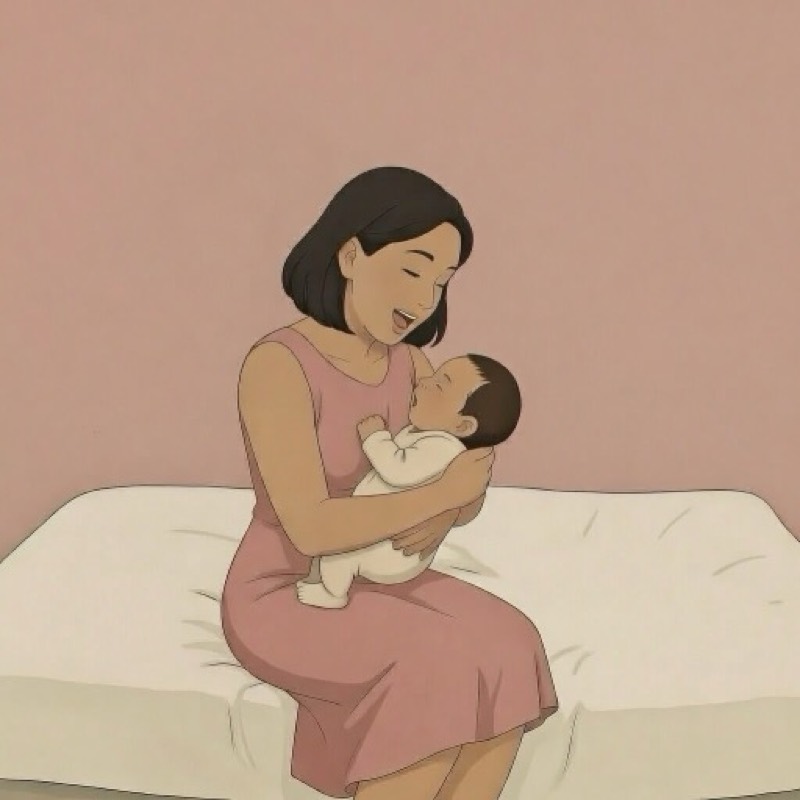
The instinct is to fix fussiness with entertainment: a toy, a song, a bounce. In the evening, that's pouring water on a grease fire: more input for a baby whose problem is too much input. Everything that works in the witching hour shares one quality: it reduces stimulation while adding rhythm and warmth. Dim the lights at 4:30, before the storm. Lower your voice. Slow your movements. Think "boring, warm, and repetitive": the evening trifecta.
8 calming activities that actually help






Survival notes for the parent
- Tag-team if you can. Twenty-minute shifts keep either parent from redlining. The baby genuinely does better with a calmer, fresher adult.
- Use motion tools without guilt: carrier walks, stroller loops around the block, the classic hallway pace. Evening motion isn't a bad habit; it's a bridge to a more mature nervous system.
- It's okay to put the baby down. If you're at your edge, a crying baby in a safe crib for five minutes while you breathe is good parenting, not failure.
Witching hour or something more?
Normal evening fussiness responds, at least partially and at least sometimes, to soothing. Talk to your pediatrician if crying regularly exceeds ~3 hours a day, is inconsolable regardless of everything, comes with feeding problems, fever, or poor weight gain, or your gut simply says something's off. Colic, reflux, and milk-protein issues have real management options, and "we checked, everything's fine" is worth the visit by itself.
Build a calmer evening routine from all Emotional activities, or see our guide to pre-bed activities that settle instead of wire.
Frequently asked questions
When does the witching hour peak and end?
Evening fussiness typically appears around 2–3 weeks, peaks near 6 weeks, and fades substantially by 3–4 months as the nervous system matures. If crying is intense, inconsolable for hours, or paired with feeding problems, check in with your pediatrician to rule out other causes.
Is the witching hour the same as colic?
They overlap but aren't identical. Witching hour is predictable evening fussiness most babies have to some degree. Colic is defined by extremes: roughly 3+ hours of crying, 3+ days a week, for 3+ weeks. Colicky crying also tends to cluster in the evening.
Am I causing it by overstimulating my baby?
You're not causing it, but the day's accumulated stimulation does drain a baby's tolerance by evening, which is why dim, slow, repetitive activities work better than new toys after 4pm.
Never wonder what to play again
Little Play hands you three activities every morning, matched to your baby's exact week. Free on iOS, and all 281 activities are free to browse online.
Download Little PlayKeep reading
Free Baby Activity Guide
20 science-backed activities for the first year, straight to your inbox.
This article is for general information and isn't medical advice. Every baby develops on their own timeline; for concerns about your baby's development, sleep, or health, talk to your pediatrician.