How to (Gently) Tire Out a Baby Before Bed: 10 Evening Activities That Help Sleep
30-second summary
- Daytime activity genuinely supports night sleep, but in the last hour before bed, stimulation backfires.
- Babies don't "crash" from extra excitement; they get wired, overtired, and harder to settle.
- The formula: active play in the late afternoon, then a steep ramp-down after dinner.
- Ten activities below, sorted into "energy burners" (late afternoon) and "settlers" (final hour).
"Just tire the baby out": advice as old as grandparents, and half right. Movement-rich days really do build better sleep pressure. But the adult logic of "exhaust them right before bed" fails spectacularly on babies: an overstimulated baby at 7pm doesn't collapse into sleep, they escalate into a wired, crying, impossible-to-settle state every parent recognizes. The trick is when, not whether.
Why babies wire instead of crash
When a baby passes their tiredness threshold while stimulation keeps coming, their body responds with stress hormones: the biological equivalent of a second wind. That's the "overtired" paradox: more tired, less able to sleep. So we split the evening in two: burn energy while there's still daylight in the routine, then remove stimulation faster than feels natural. Dim, slow, warm, boring, in that order.
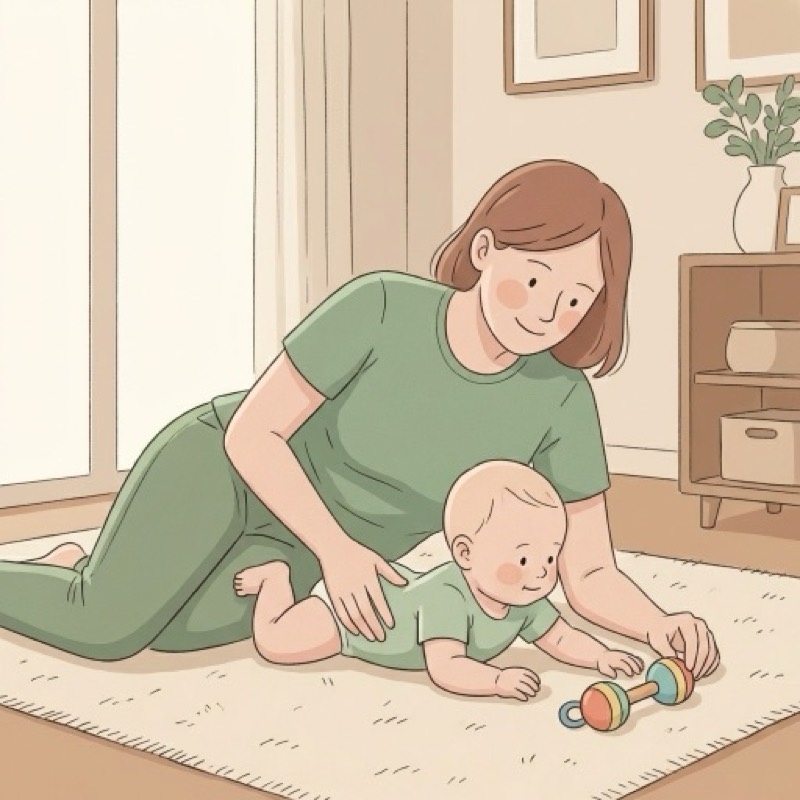
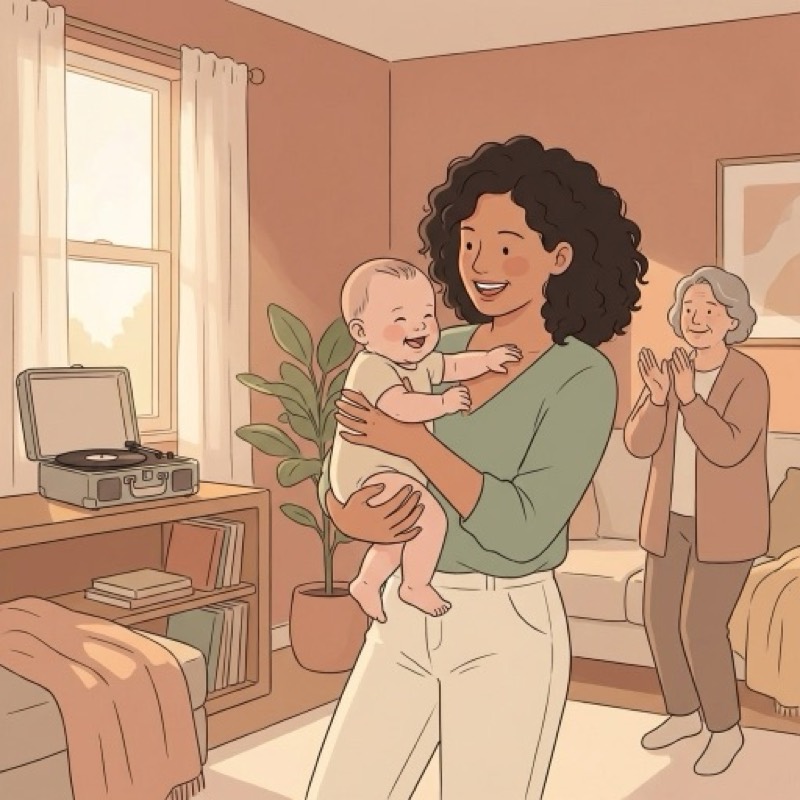
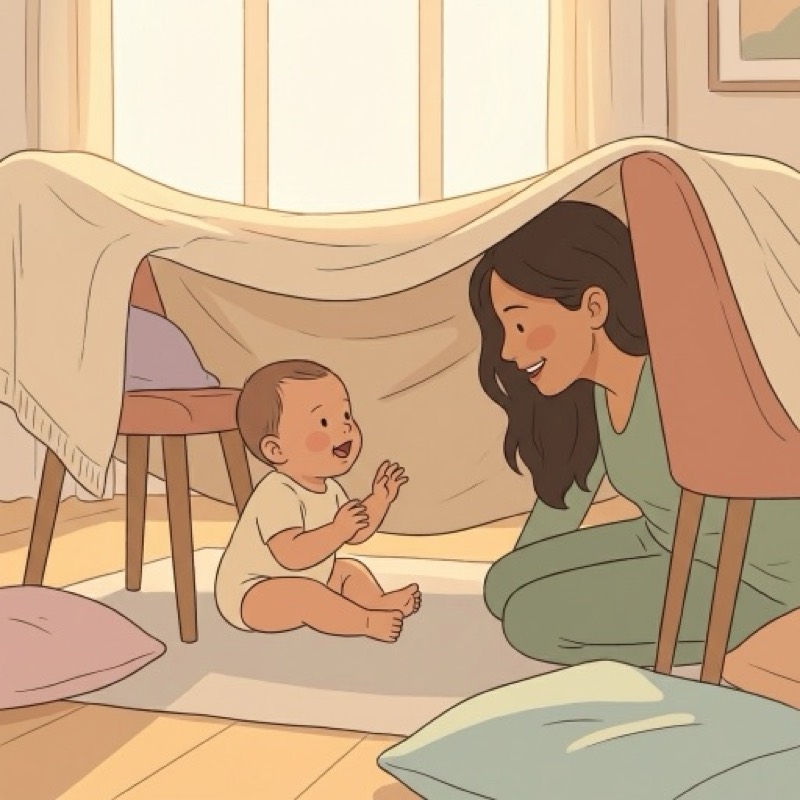
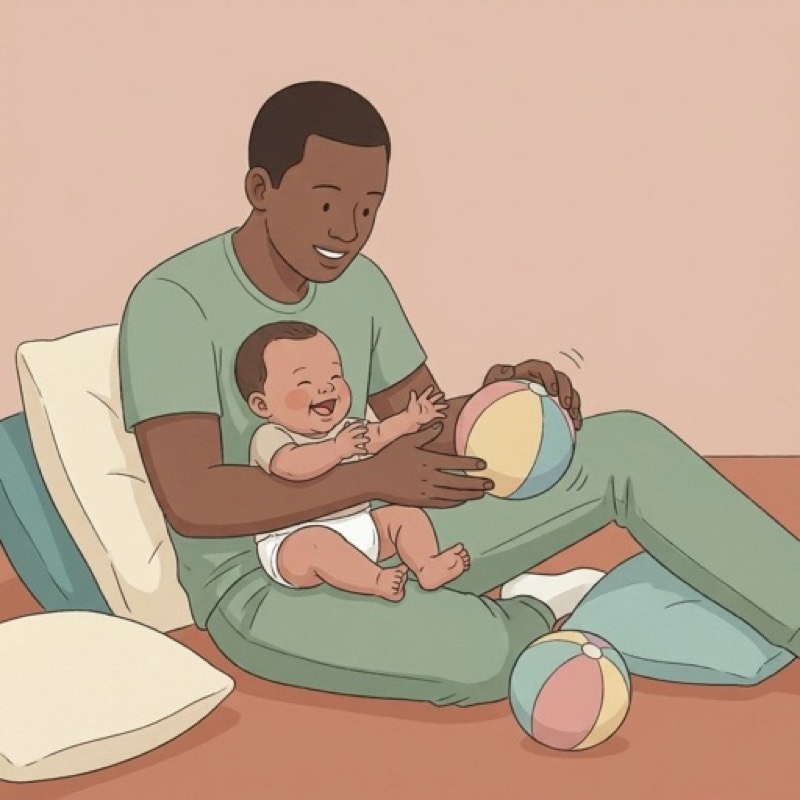
Late afternoon: 5 energy burners (finish 60–90 min before bed)
The pivot: your steep ramp-down
After the last active session, change the room, not just the activity: lights down, voices down, screens off (yours too; the glow and your divided attention both register). Bath if it's bath night. From here on, everything moves at half speed. This transition working is 80% of "tiring out" actually paying off.
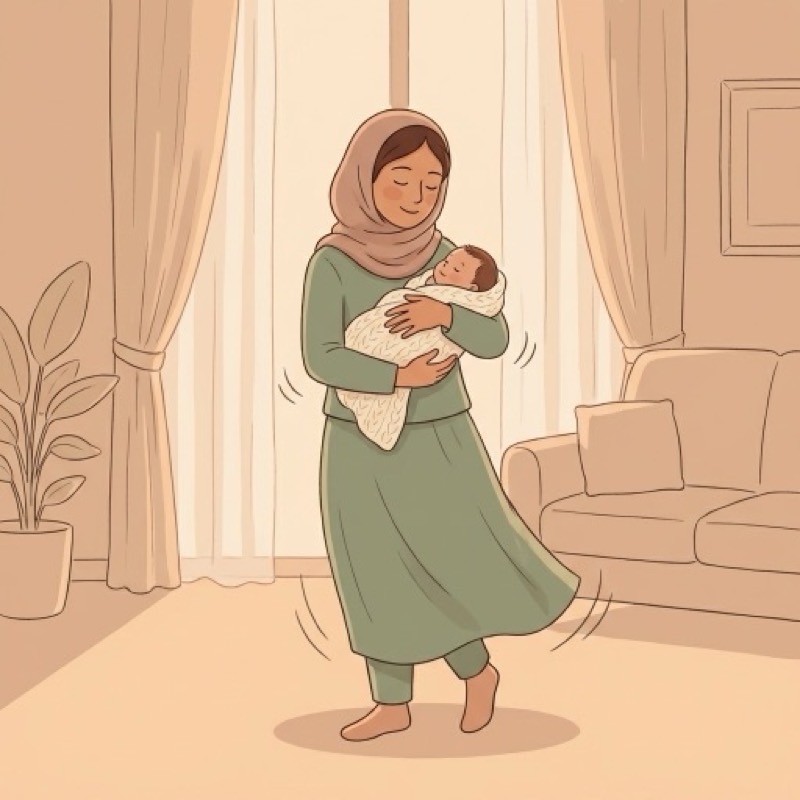
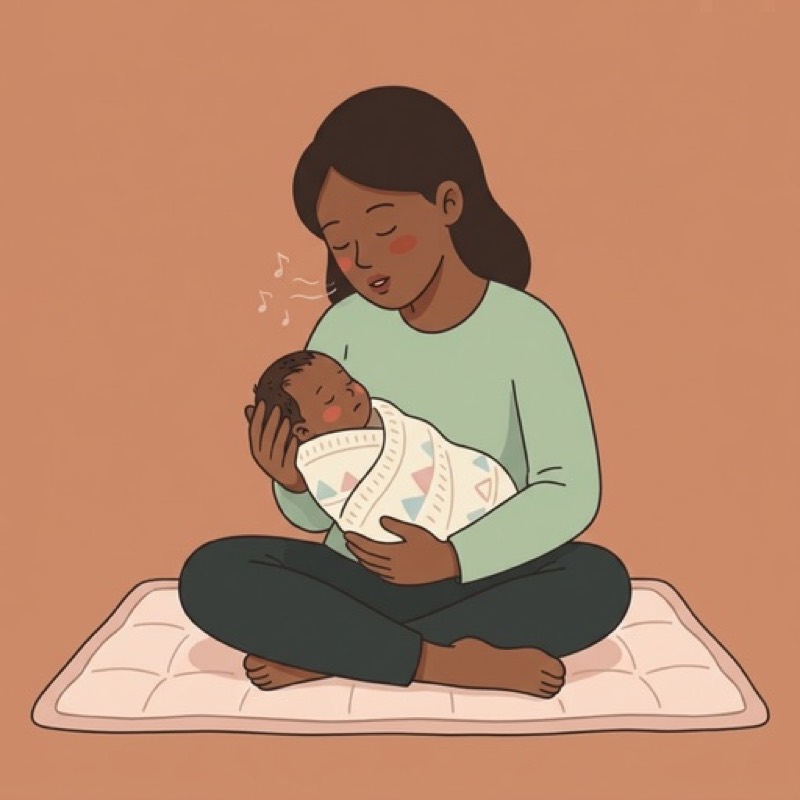
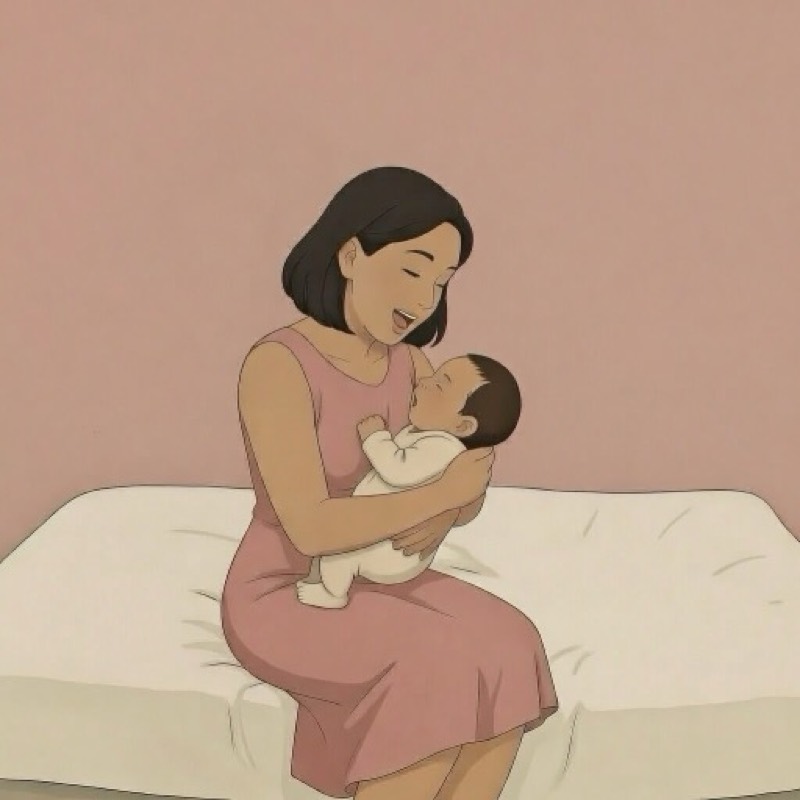
Final hour: 5 settlers


Sequence beats duration
A wind-down works because it's predictable, not because it's long. Pick 3–4 steps (say bath → massage → feed with lullaby → crib) and run them in the same order every night. Within a couple of weeks the sequence itself becomes the sedative; babies settle faster when they can predict what's next. Fifteen consistent minutes outperforms forty improvised ones.
Struggling with the pre-bedtime hours themselves? That's its own beast; see our witching hour guide. And for the daytime half of good sleep, our wake windows play guide covers it hour by hour.
Frequently asked questions
Can you actually tire a baby out for better sleep?
Partly. Daytime movement and activity genuinely support night sleep, but in the final hour before bed, stimulation backfires. The winning formula is active play in the late afternoon, then a steep ramp-down: dim, slow, warm, quiet.
Why does exciting play before bed make things worse?
An overtired, overstimulated baby produces stress hormones that fight sleep: the wired-but-exhausted state every parent knows. Babies don't "crash" from extra stimulation the way adults imagine; they escalate.
What's the best last activity before the crib?
Something rhythmic and boring, in the best way: a slow rocking song, gentle massage, or a whispered story. Predictability is the sedative: the same 2–3 steps in the same order every night.
Never wonder what to play again
Little Play hands you three activities every morning, matched to your baby's exact week. Free on iOS, and all 281 activities are free to browse online.
Download Little PlayKeep reading
Free Baby Activity Guide
20 science-backed activities for the first year, straight to your inbox.
This article is for general information and isn't medical advice. Every baby develops on their own timeline; for concerns about your baby's development, sleep, or health, talk to your pediatrician.