Wake Windows by Age: What to Actually Do in Them
30-second summary
- Wake windows are the awake stretches between naps, from ~45 minutes for newborns to 3–4 hours by age one.
- Every sleep resource tells you how long they are. Almost none tell you what to do in them.
- Think of each window in thirds: feeding and care, then focused play, then wind-down.
- One or two short activities per window is plenty; babies also need quiet, unstimulated time.
- Below: a what-to-do plan for every age band, with specific activities.
Search "wake windows" and you'll find a hundred charts telling you a 3-month-old can handle about 90 minutes awake. Useful, until you're 40 minutes into that window at 7:15am, coffee going cold, wondering what exactly you're supposed to be doing with a wide-awake baby. This guide fills that gap: the same age bands you'll see on every sleep chart, but with the awake part actually planned.
Wake windows in one minute
A wake window is simply how long your baby can be comfortably awake between sleeps before overtiredness kicks in. They stretch as the brain matures:
| Age | Typical wake window | What fits inside |
|---|---|---|
| 0–6 weeks | 45–60 min | Feed + one gentle activity |
| 2–3 months | 60–90 min | Feed + one or two short activities |
| 4–6 months | 1.5–2.5 hrs | Feed + play session + independent play |
| 7–9 months | 2–3 hrs | Feed + active play + outing or floor time |
| 10–12 months | 3–4 hrs | Meals + big movement + focused play |
These are ranges, not rules; your baby's yawns, glazed stares, and fuss escalation are the real schedule.
The thirds rule: how to structure any window
The easiest mental model for any wake window, at any age: split it roughly into thirds.
- First third: care. Feeding, changing, cuddles. Digestion happens here, which is why vigorous play right after eating backfires.
- Middle third: play. This is the sweet spot: fed, comfortable, most alert. Whatever you want your baby to get out of today, do it now.
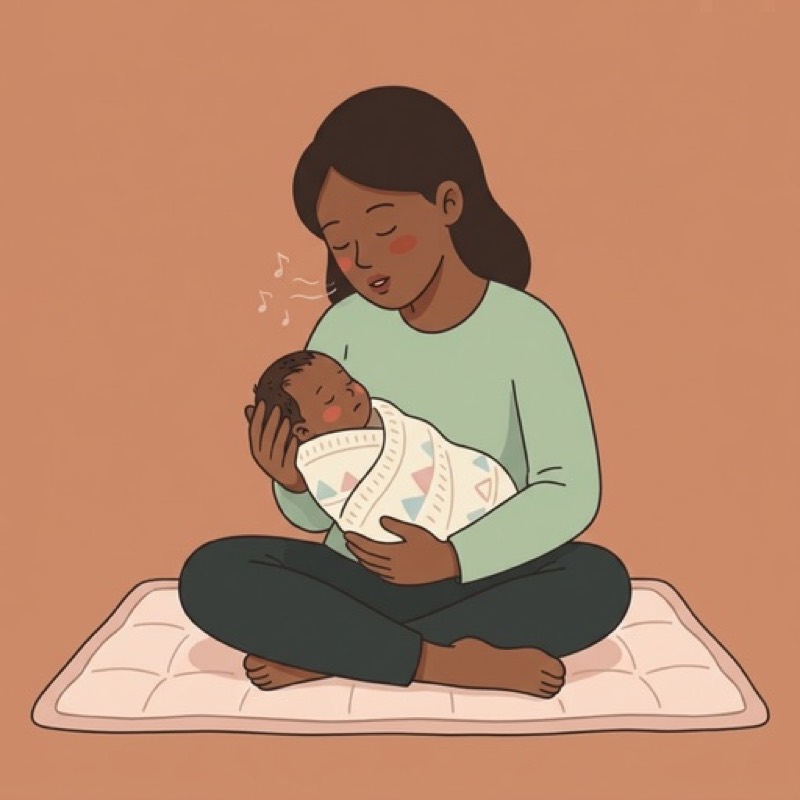
- Final third: wind-down. Dim the energy. Slow songs, gentle holding, quiet narration. Arriving at nap time already calm is half the nap battle.
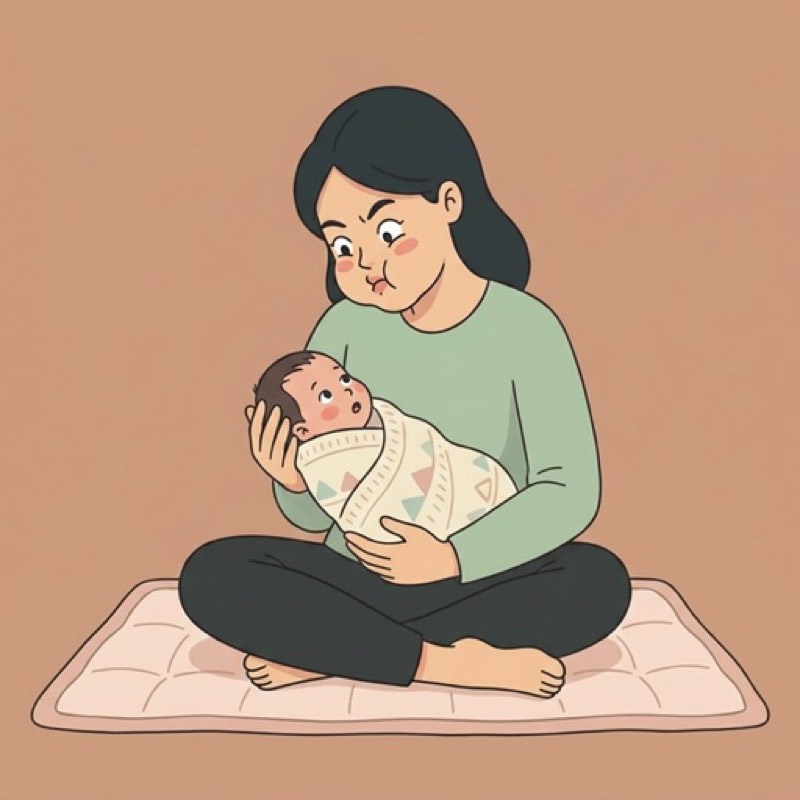
Newborn (0–6 weeks): one gentle thing
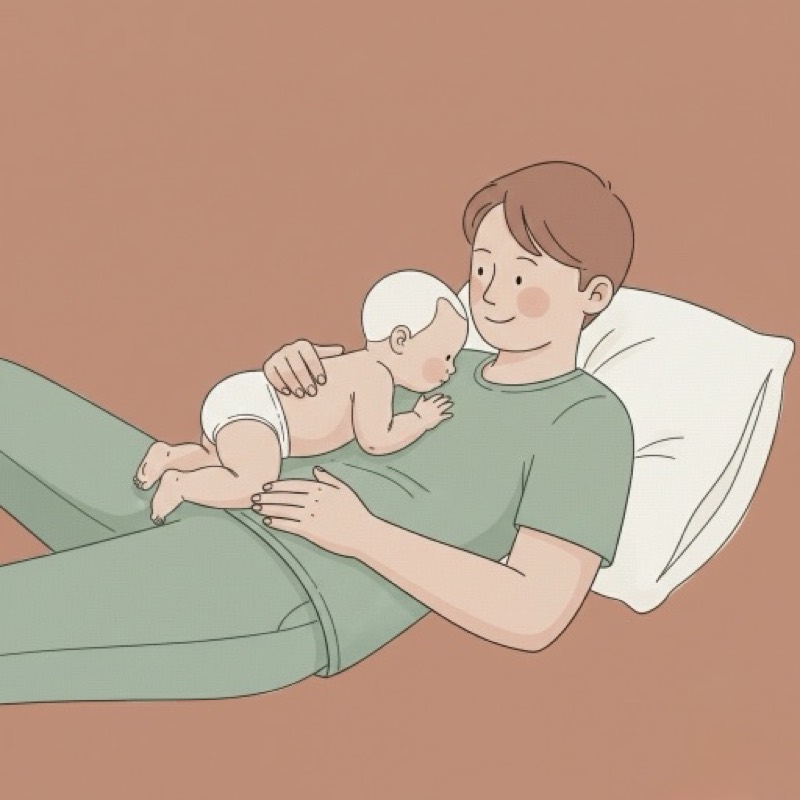
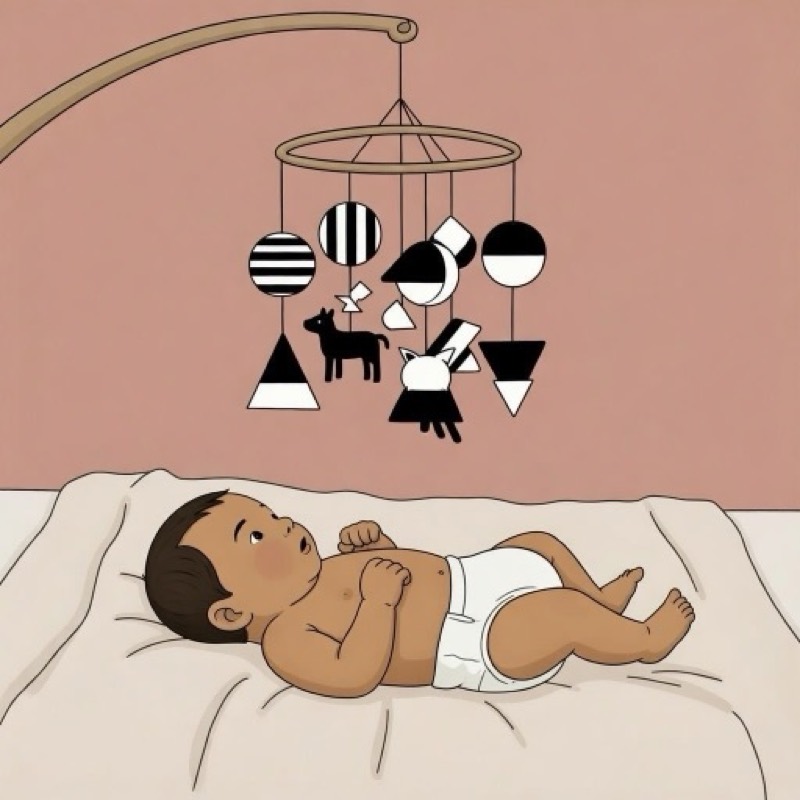
A newborn's window barely fits a feed and a diaper change. That's fine; at this age, one tiny sensory moment is a complete curriculum. Pick a single activity per window:
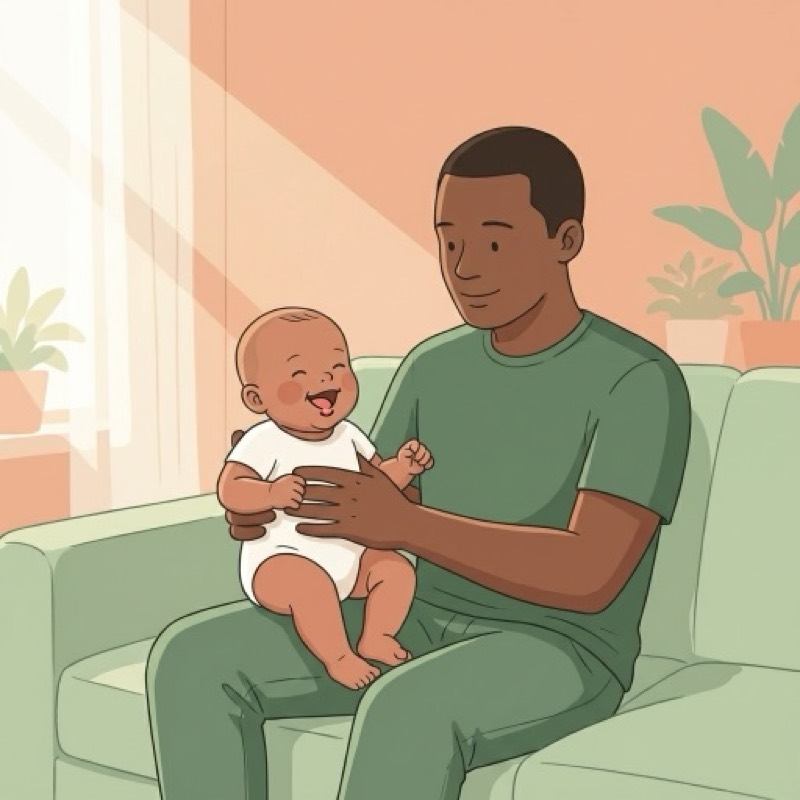
1–3 months: the social window opens
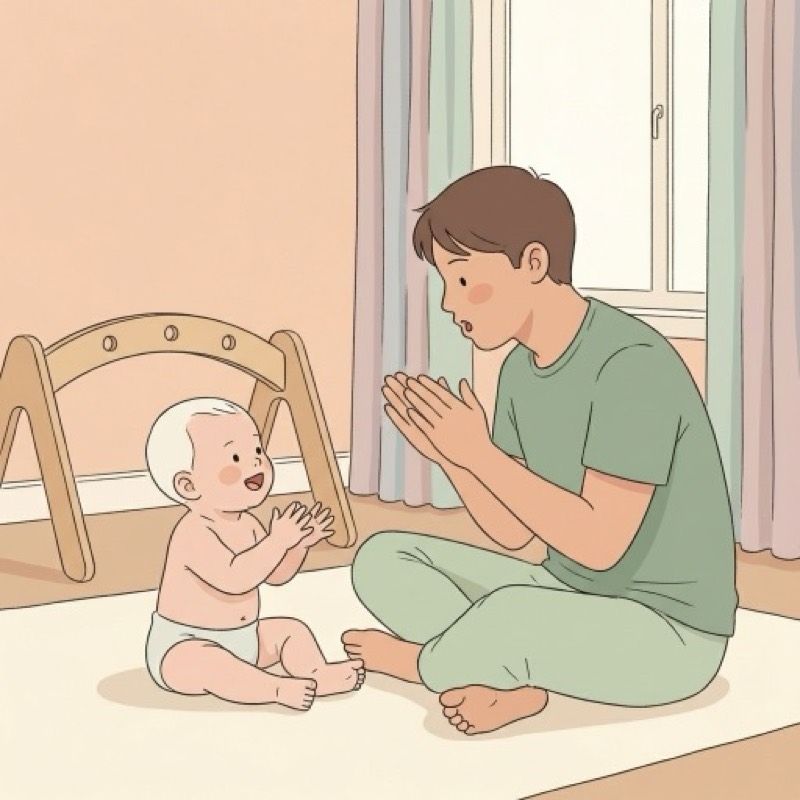
Smiles arrive, focus improves, and your face becomes the best toy ever made. Aim for one face-to-face game and one body activity per window:
4–6 months: hands, rolls, and giggles
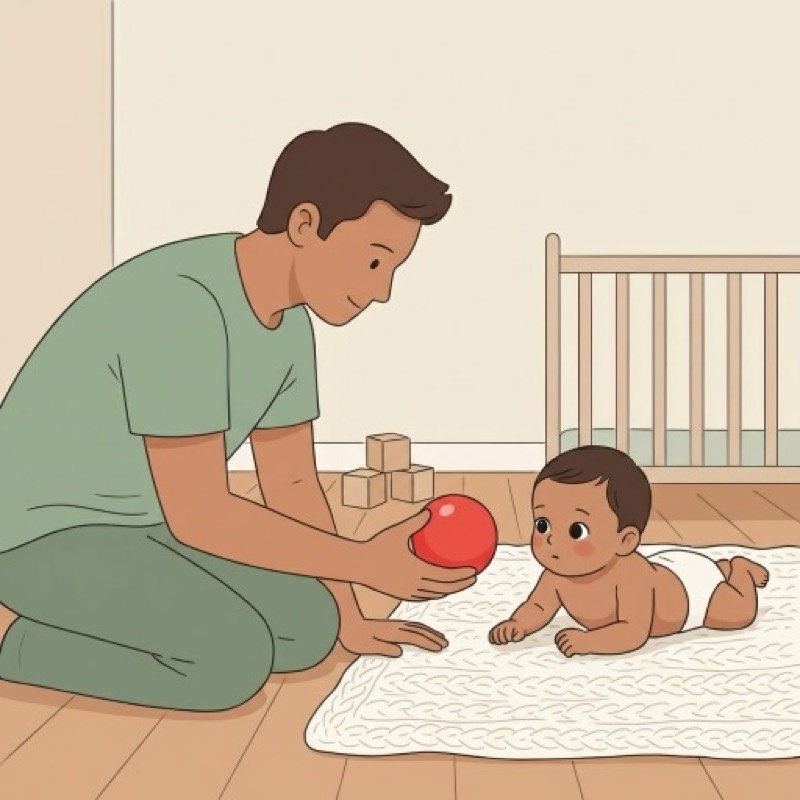
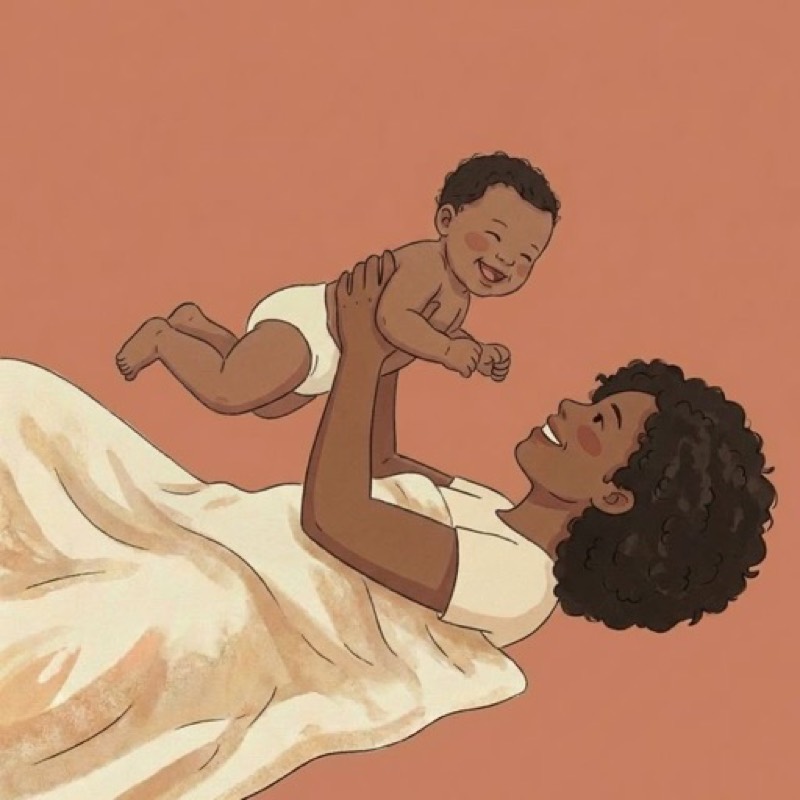
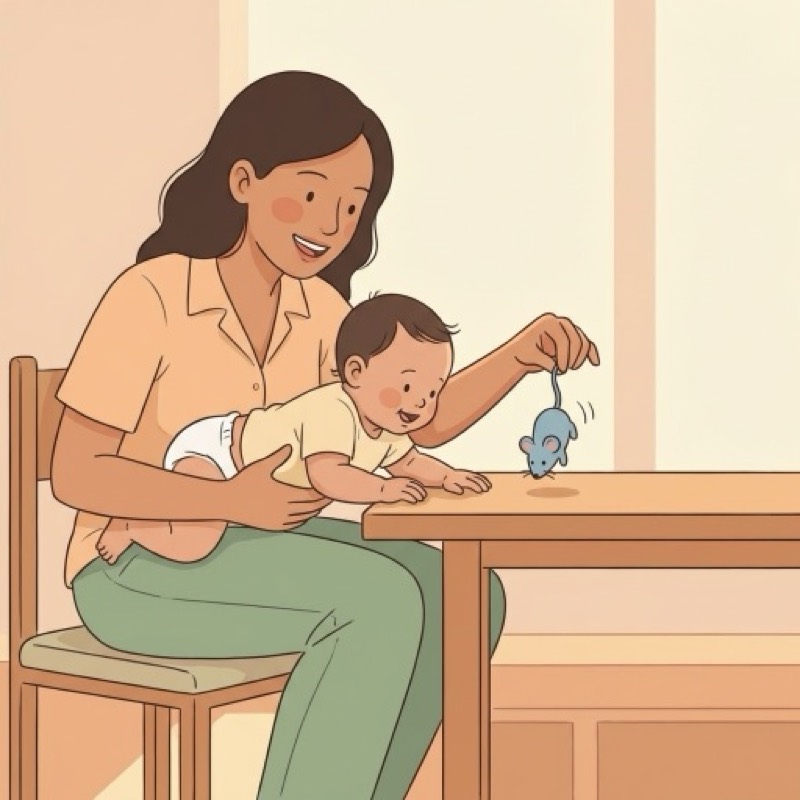
Windows are long enough now for a real play session plus independent floor time. Rotate between reaching games, texture play, and movement:


7–9 months: movement is the curriculum
Crawling practice eats wake windows happily. Add one thinking game per window to balance all that motion:

10–12 months: big skills, big windows
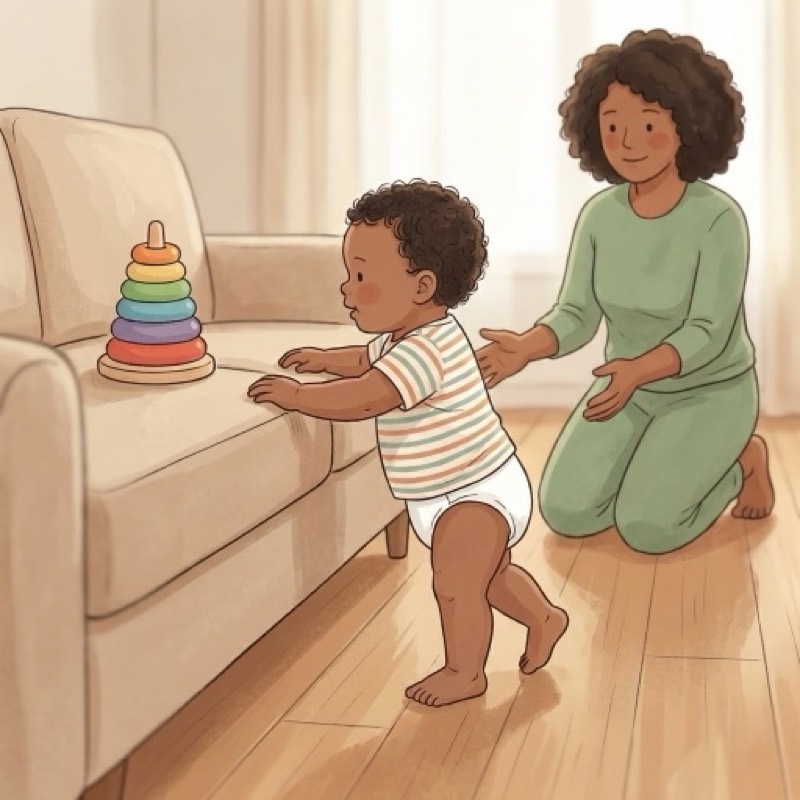
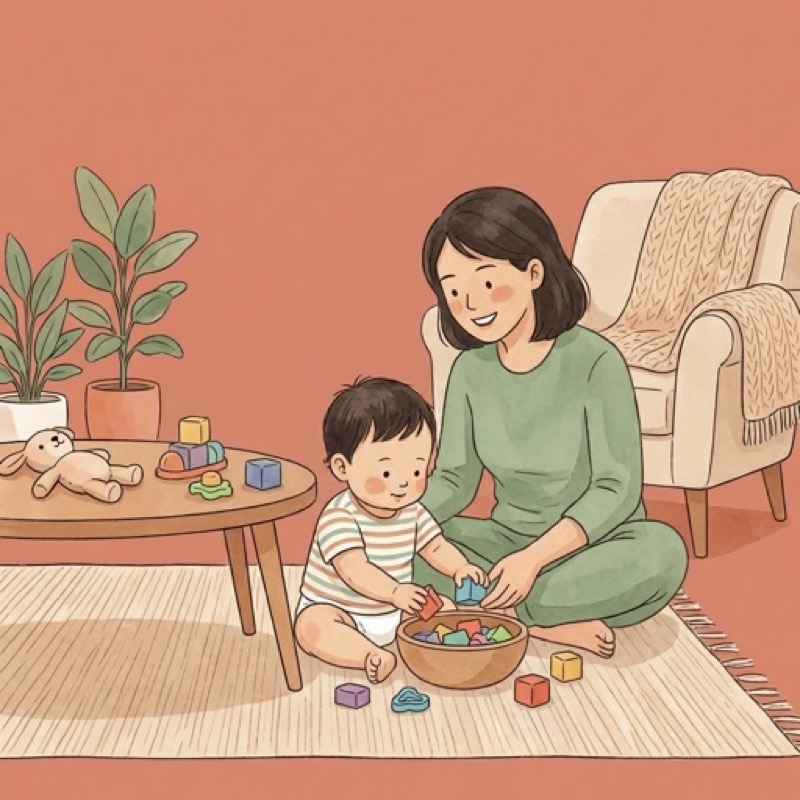
With 3+ hour windows, think in blocks: one big-movement block, one focused fine-motor block, one outing or outdoor block.

Reading the closing window
The chart says 90 minutes; your baby says otherwise. Trust these signals over any table: staring into the distance, losing interest in a beloved activity, jerky movements, ear or eye rubbing, and the shift from chatty sounds to whining. When two of those show up, skip straight to the wind-down third; a shortened window beats an overtired baby every time.
Want the full plan handled for you? Browse all 281 activities by age, or see everything for your baby's month: newborn, 3 months, 6 months, 9 months, 12 months.
Frequently asked questions
What is a wake window?
A wake window is the stretch of time a baby can comfortably stay awake between naps, roughly 45–60 minutes for newborns, extending to 3–4 hours by 12 months. Watching the clock and your baby's cues together helps you time naps before overtiredness hits.
Should the whole wake window be filled with activities?
No. A wake window includes feeding, changing, and plenty of quiet observation time. One or two short, focused activities per window is plenty; babies also need unstimulated time to process what they've learned.
What if my baby gets fussy mid-activity?
Fussing is communication, not failure. It usually means the window is closing or the activity is too much right now. Switch to something calmer, or start the wind-down. The activity will still be there tomorrow.
Never wonder what to play again
Little Play hands you three activities every morning, matched to your baby's exact week. Free on iOS, and all 281 activities are free to browse online.
Download Little PlayKeep reading
Free Baby Activity Guide
20 science-backed activities for the first year, straight to your inbox.
This article is for general information and isn't medical advice. Every baby develops on their own timeline; for concerns about your baby's development, sleep, or health, talk to your pediatrician.