Baby Hates Tummy Time? 12 Gentle Alternatives That Build the Same Muscles

30-second summary
- Most babies protest tummy time at first; it's hard work, and floor + face-down + alone is the hardest version.
- The goal is prone strengthening, not the mat: chest naps, lap time, and carries all count.
- Start with the gentlest alternatives below and slide toward floor time over weeks.
- Total daily minutes matter more than session length; six 3-minute rounds is a great day.
- Always turn to one side? Persistent flat spot? That's a pediatrician conversation, not a willpower problem.
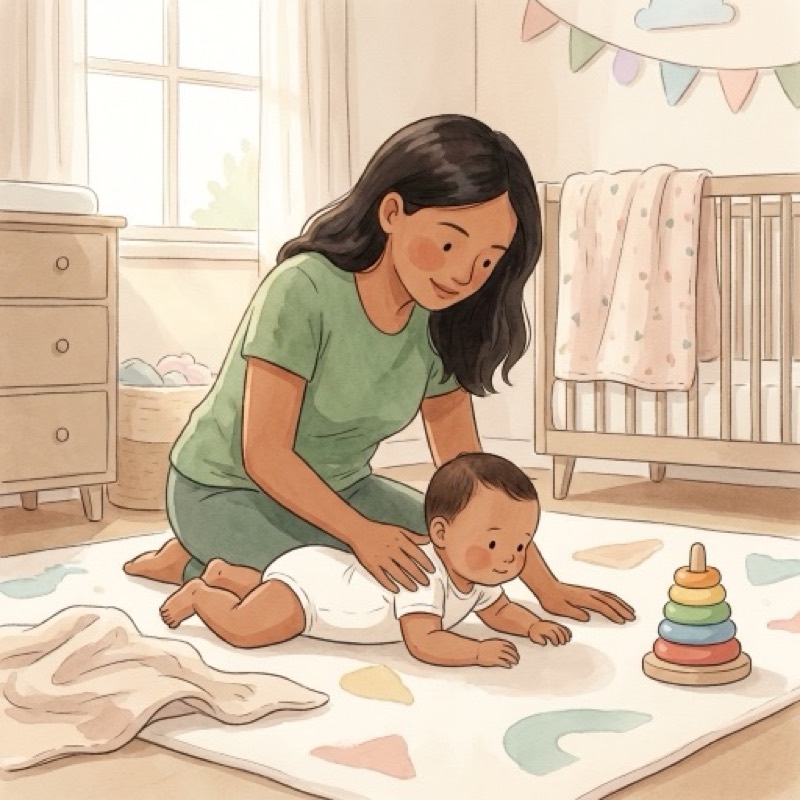
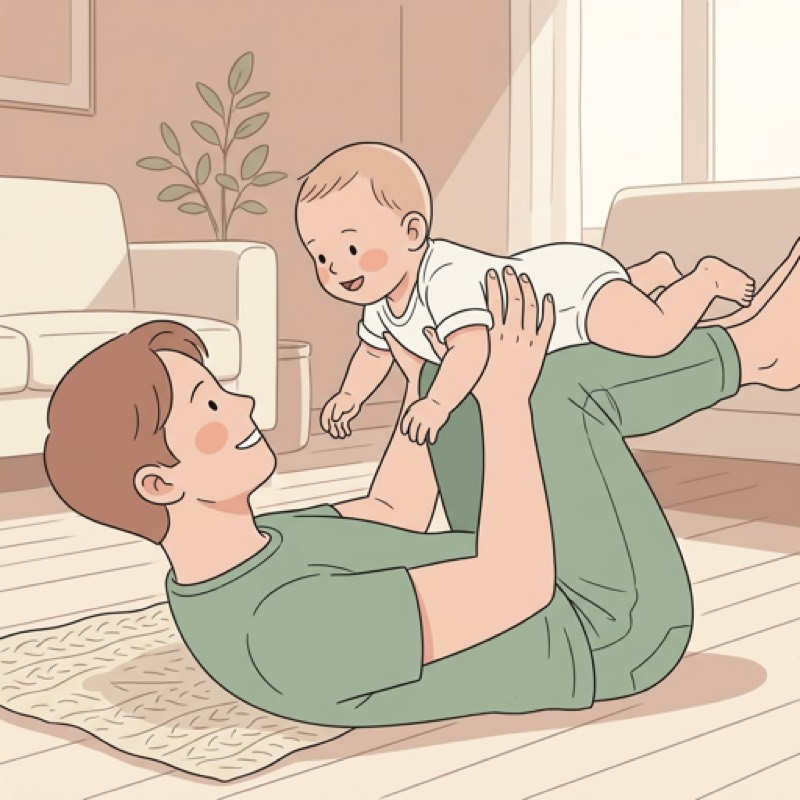
You lay your baby on the beautiful play mat. They scream in four seconds. You pick them up, feel guilty, try again tomorrow, repeat. Here's the reframe that fixes it: tummy time is a position, not a place. Every minute your baby spends on their front (on your chest, across your lap, upright against your shoulder fighting gravity) builds the same neck, shoulder, and core muscles as the mat. The floor is just the final exam.
Why babies hate tummy time
It's not stubbornness. On the floor, a young baby is fighting gravity with muscles that barely exist yet, staring at boring carpet, away from your face and warmth. It's the baby equivalent of a hard workout, alone, with no music. The fix isn't more grit; it's changing one variable at a time: the surface, the angle, or the company.
12 gentle alternatives, from easiest to hardest
Level 1: On your body (weeks 0–4+)

Add the classic football carry: baby face-down along your forearm while you walk. It's tummy time nobody notices, including the baby.
Level 2: On your lap and on their side (weeks 3–8+)



Level 3: Floor, but interesting (weeks 5–12+)
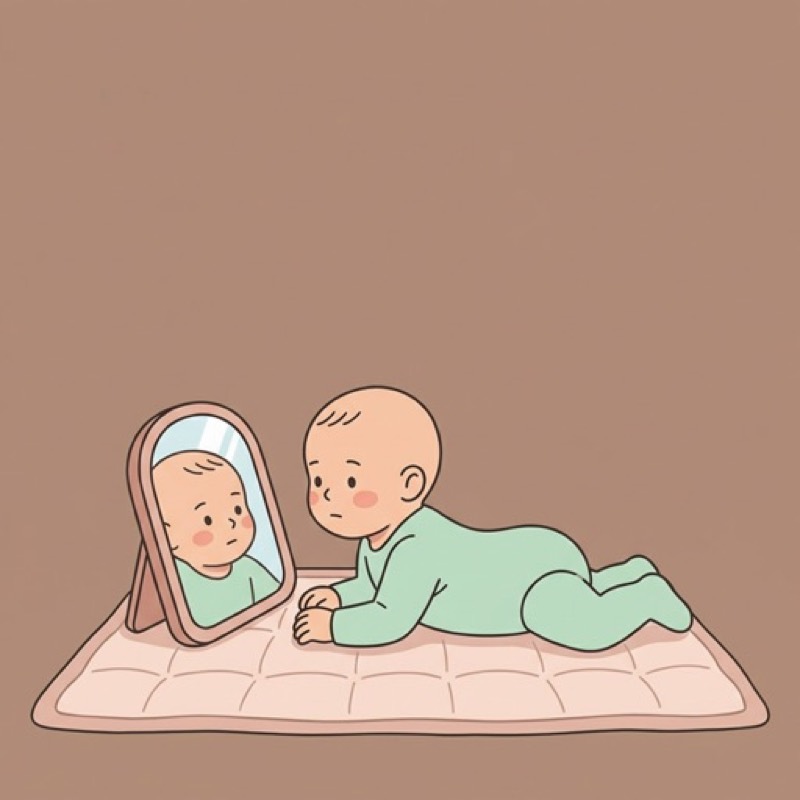
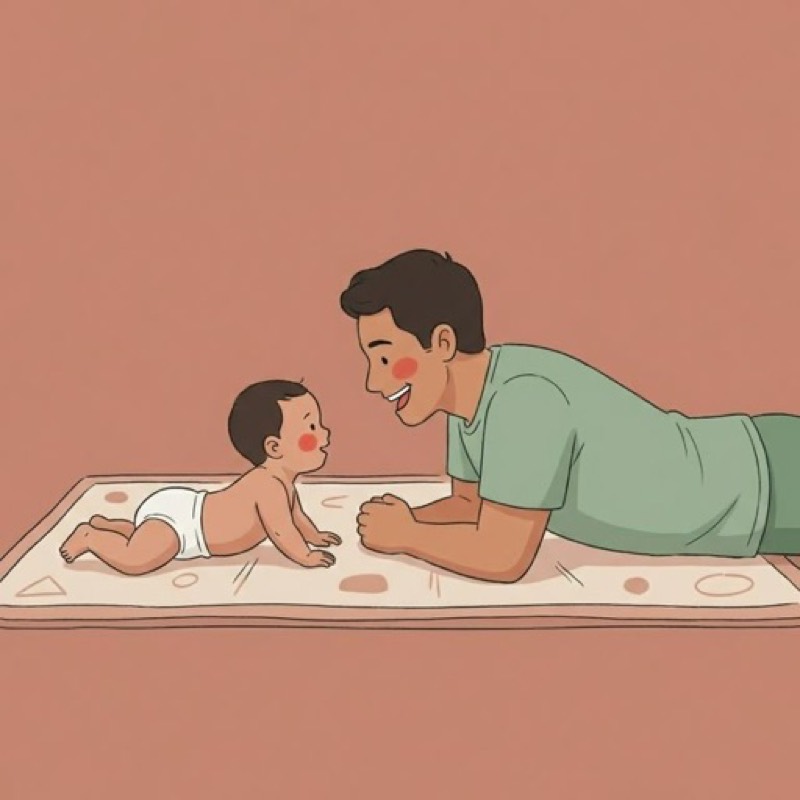
Get down on the floor facing your baby. Ninety percent of floor protest is loneliness; your face at mat level fixes it.
Level 4: Strength play beyond the mat (3 months+)

Making any session last longer
- Timing is everything: mid-wake-window, 20–30 minutes after a feed. Never straight after eating, never when tired.
- Stop before the cry. End each session at the first grumble and you build positive associations; push through tears and you build dread (theirs and yours).
- Count the day, not the session. Aim for accumulated minutes across many micro-sessions. A diaper-change flip, a post-bath minute, a carry to the window; it adds up.
When to mention it to your pediatrician
Bring it up if your baby always turns the head to the same side, has a flattening spot on the skull, seems dramatically floppier or stiffer than expected, or still can't lift the head briefly by around 2 months. These usually have simple answers; positional habits and mild torticollis respond beautifully to early guidance.
For a full week-by-week strength plan, see all Physical activities or jump to your baby's age: newborn, 1 month, 2 months, 3 months.
Frequently asked questions
Is it okay to skip floor tummy time entirely?
The goal is prone (on-tummy) strengthening, not the floor specifically. Chest-to-chest, lap tummy time, and football carries all count. Most babies who "hate tummy time" tolerate these variations and graduate to the floor within weeks.
How much tummy time does my baby actually need?
Pediatric guidance suggests working up to 15–30 minutes total per day by around 7 weeks, accumulated in tiny sessions. Six 3-minute sessions count just as much as two 10-minute ones.
When should I worry about head shape or neck tightness?
If your baby always turns their head to the same side, has a persistent flat spot, or strongly resists turning one way, mention it at your next pediatrician visit; early physical therapy for torticollis is simple and effective.
Never wonder what to play again
Little Play hands you three activities every morning, matched to your baby's exact week. Free on iOS, and all 281 activities are free to browse online.
Download Little PlayKeep reading
Free Baby Activity Guide
20 science-backed activities for the first year, straight to your inbox.
This article is for general information and isn't medical advice. Every baby develops on their own timeline; for concerns about your baby's development, sleep, or health, talk to your pediatrician.