Montessori Baby Activities With Zero Special Equipment (0–12 Months)

30-second summary
- Montessori for babies is a set of principles (real objects, uninterrupted focus, following the child), not a shopping list.
- Every "Montessori kit" goal can be met with mirrors, spoons, baskets, fabric, and your voice.
- 15 genuinely Montessori activities below, all from household materials, newborn to 12 months.
- The most Montessori thing you can do costs nothing: don't interrupt a concentrating baby.
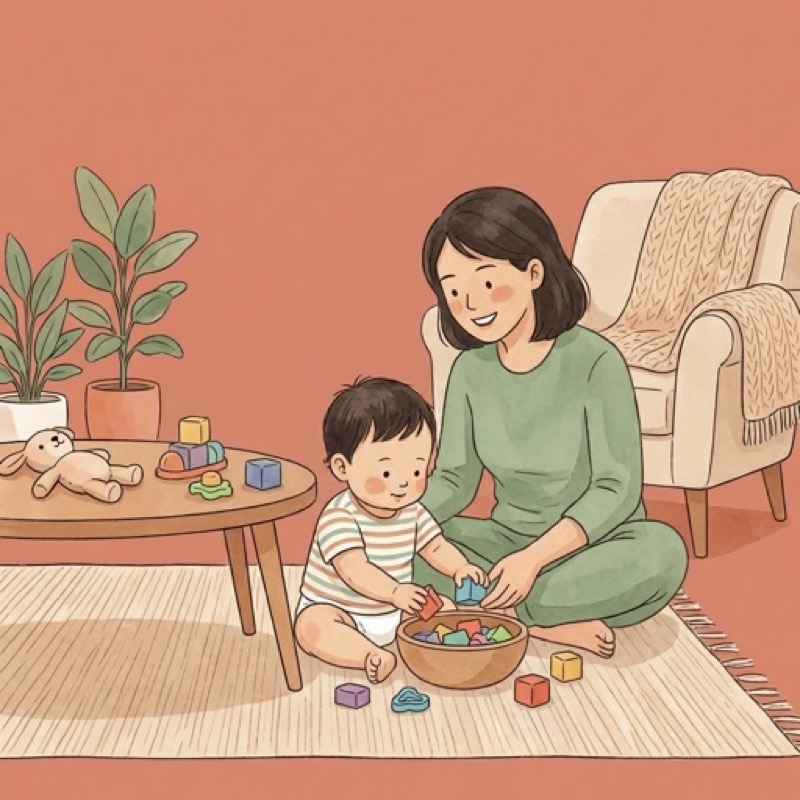
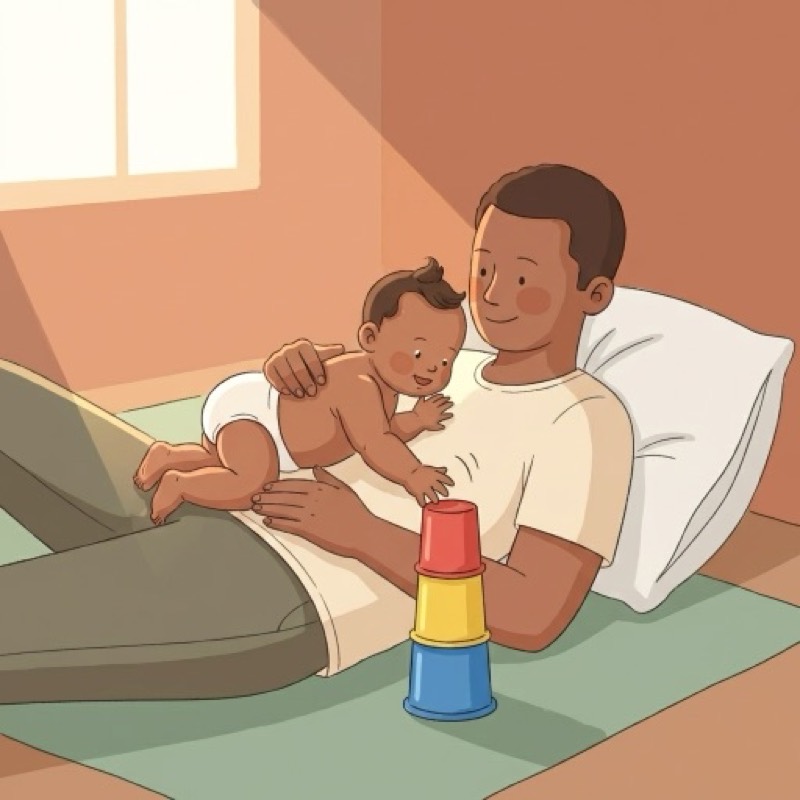
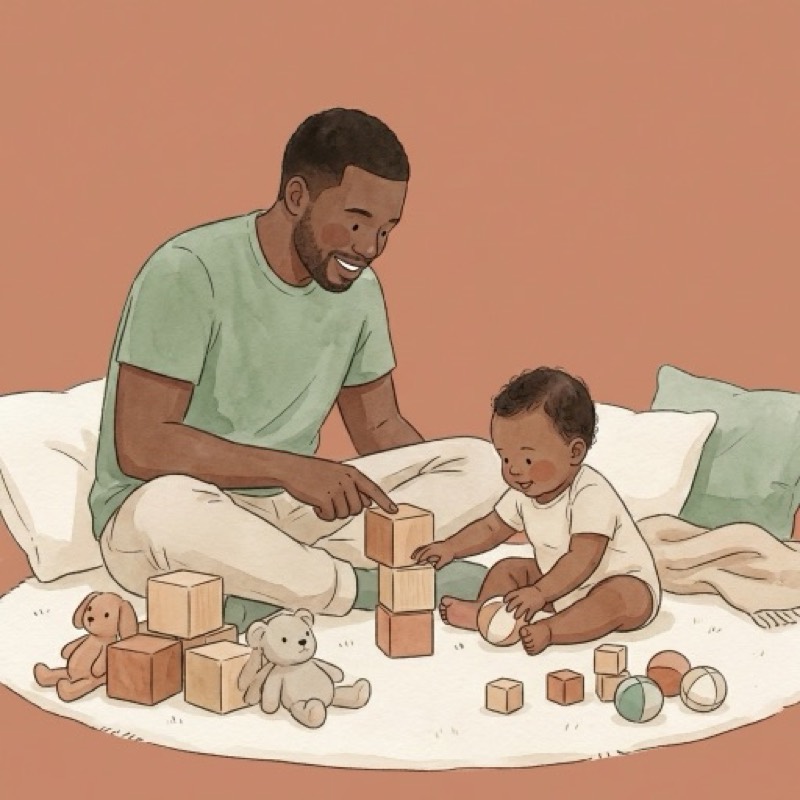
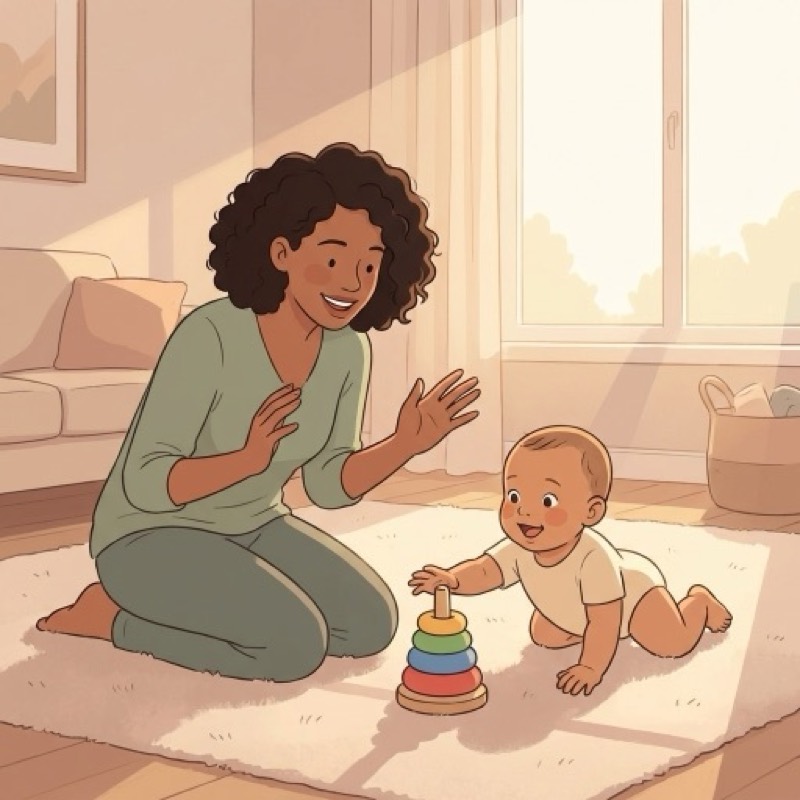
Somewhere along the way, "Montessori baby" started meaning $400 subscription kits and beige everything. Maria Montessori's actual insight was nearly the opposite: babies learn best from real things in a calm, prepared environment, with an adult who observes more than they perform. A wooden spoon, a steel bowl, a low mirror, and an unhurried parent are a complete Montessori classroom for a baby.
The four principles (the whole method, honestly)
- Real over toy. A metal spoon teaches weight, temperature, and sound more honestly than a plastic one that plays Mozart.
- Concentration is sacred. When a baby is absorbed (studying their hand, working on a basket), don't cheer, don't redirect, don't "help." Attention is the muscle being built.
- Follow the child. Offer, observe, and let interest decide the session length.
- Prepare the environment. Few objects, within reach, rotated when interest fades, not a toy avalanche.
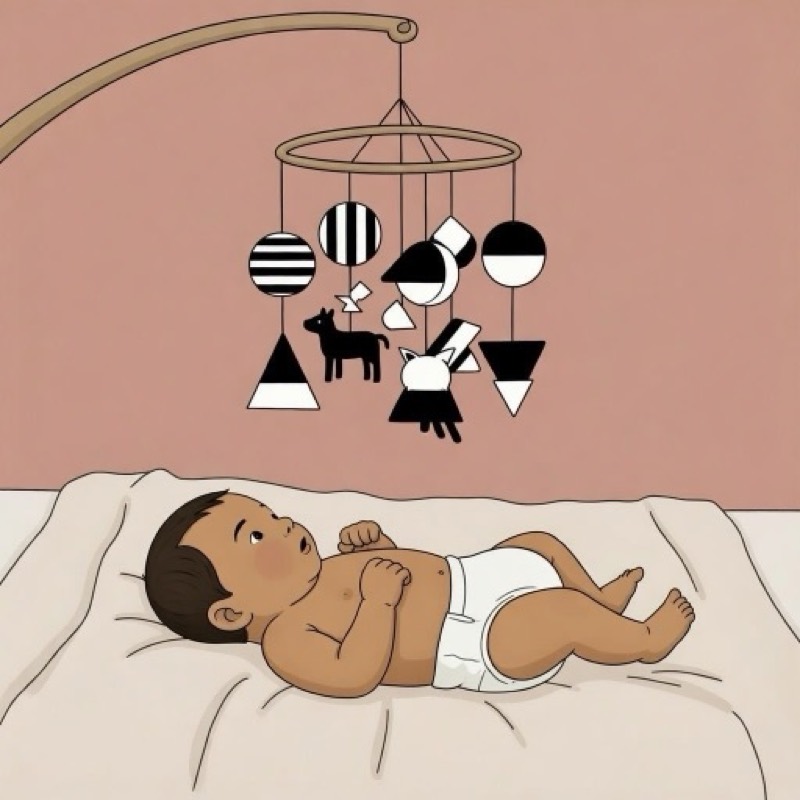
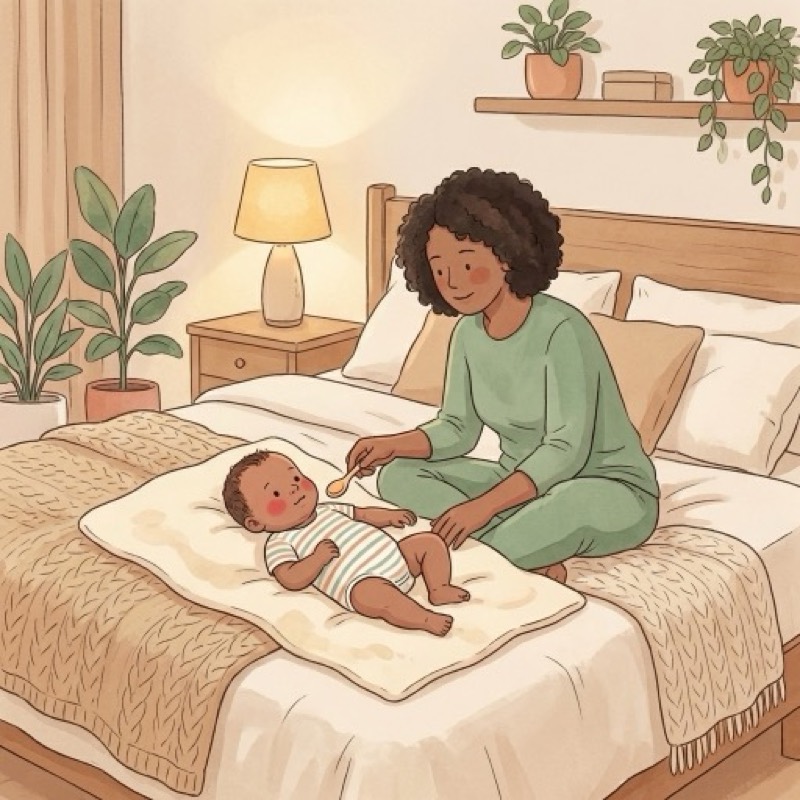
0–3 months: the observation stage
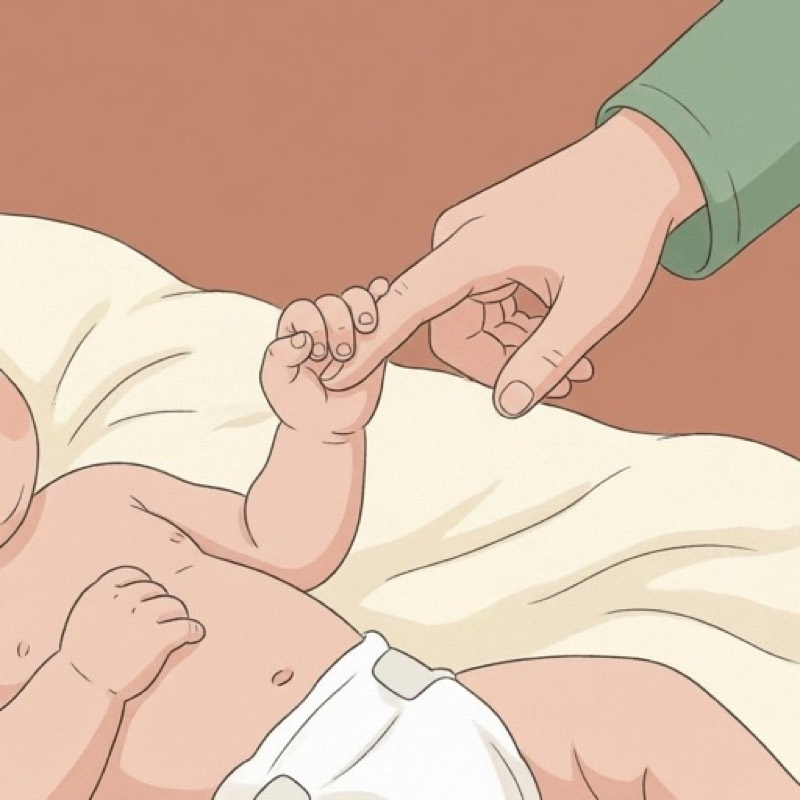
3–6 months: hands discover work

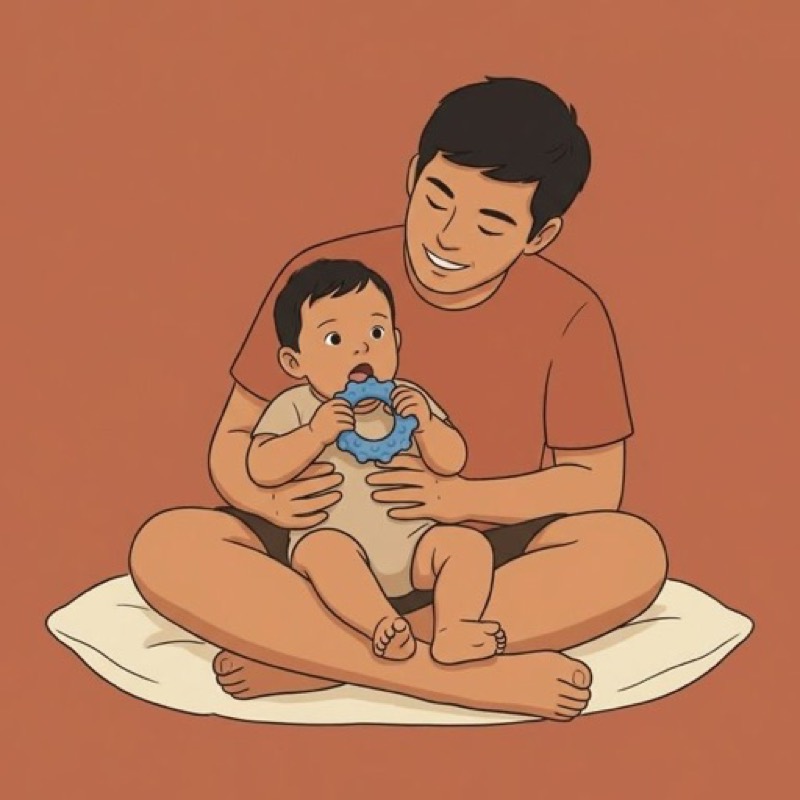
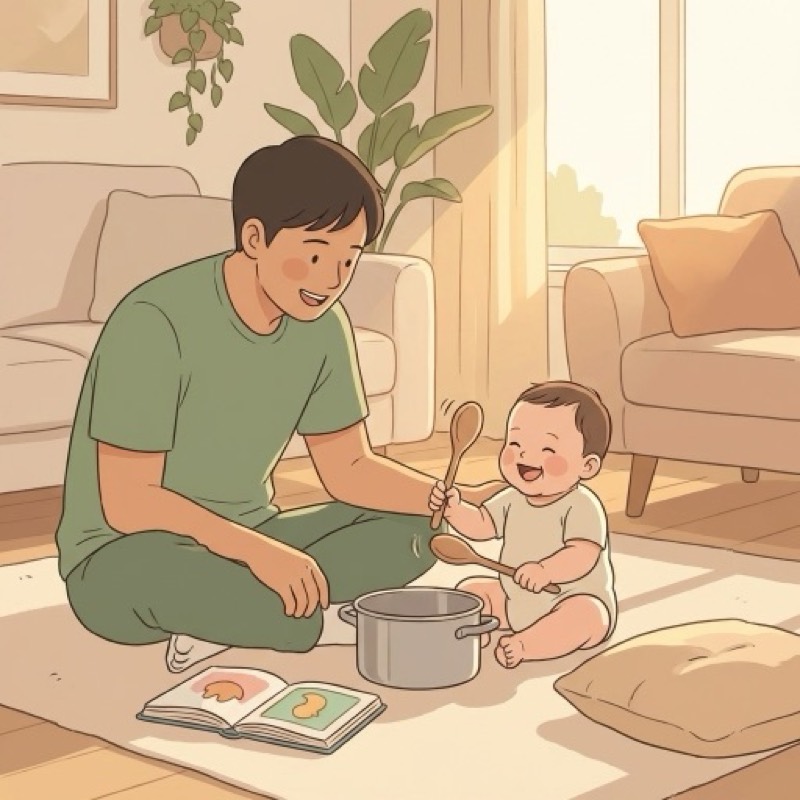
6–9 months: the treasure years
This is prime treasure basket age, the most Montessori activity ever devised from a laundry room. Fill a low basket with 6–8 real, safe objects (wooden spoon, metal whisk, fabric scraps, a large shell, a silicone brush) and let your baby conduct research. Related activities:
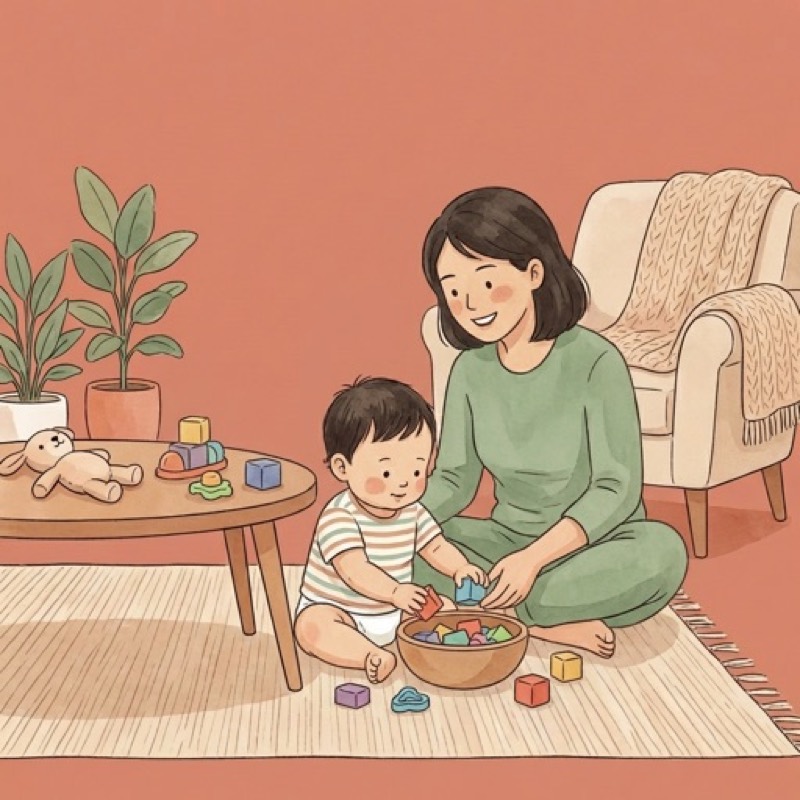
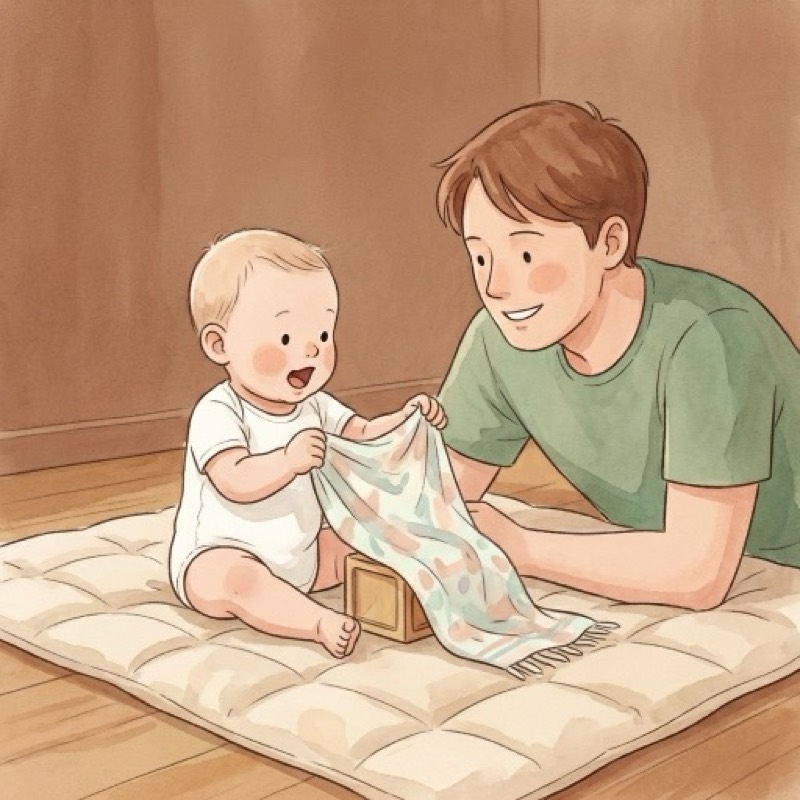
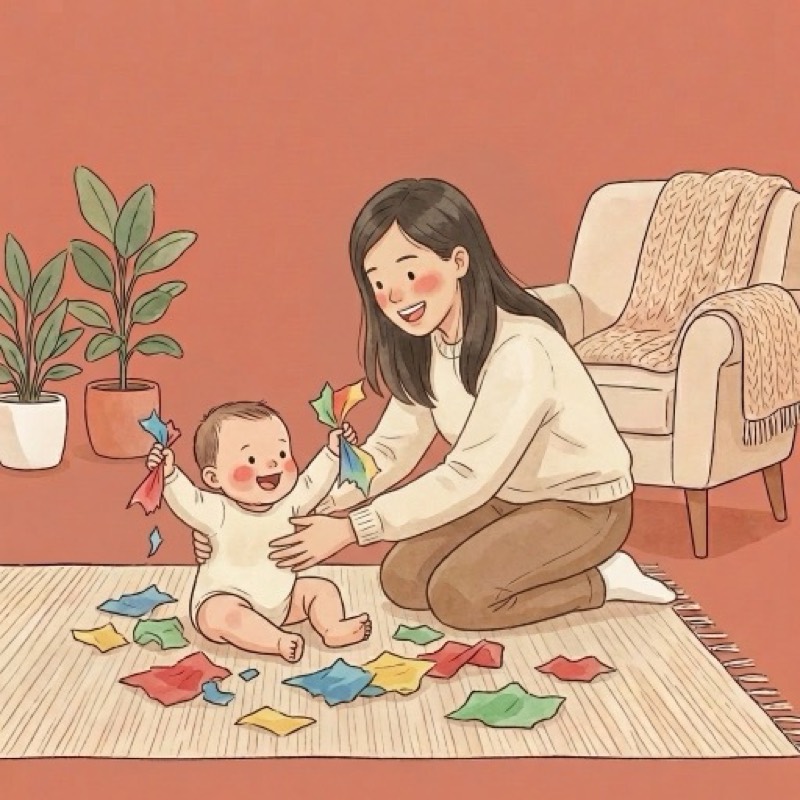
Add a Kitchen Sound Tour: a guided concert of pots, lids, and wooden spoons.
9–12 months: purposeful work begins
What you genuinely don't need
Electronic "Montessori" toys (a contradiction in terms), themed kits on subscription, or anything that flashes, sings, or does the playing on the baby's behalf. Montessori's core observation was that the child wants to act on the world, not watch a toy perform. Your kitchen already stocks the curriculum, and it aligns nicely with a plastic-free home, which is exactly the standard our store picks follow (wood, cotton, silicone, steel).
Browse the full library by age (3 months, 6 months, 9 months, 12 months) or read our evidence check on high-contrast cards.
Frequently asked questions
What makes an activity "Montessori" for a baby?
Follow the child's pace, use real objects over flashy toys, allow uninterrupted concentration, and prepare a simple environment. None of that requires branded materials; a wooden spoon and an unhurried parent qualify completely.
Are subscription play kits worth it?
They're convenient curation, not magic. Every developmental goal those kits target can be met with household objects, which is exactly what this list (and the Little Play app) gives you, without the recurring cost or plastic.
How long should a baby "work" on an activity?
As long as they're engaged; even 90 seconds of deep focus is valuable. The Montessori rule of thumb: don't interrupt concentration. When attention drifts, the session is done.
Never wonder what to play again
Little Play hands you three activities every morning, matched to your baby's exact week. Free on iOS, and all 281 activities are free to browse online.
Download Little PlayKeep reading
Free Baby Activity Guide
20 science-backed activities for the first year, straight to your inbox.
This article is for general information and isn't medical advice. Every baby develops on their own timeline; for concerns about your baby's development, sleep, or health, talk to your pediatrician.